

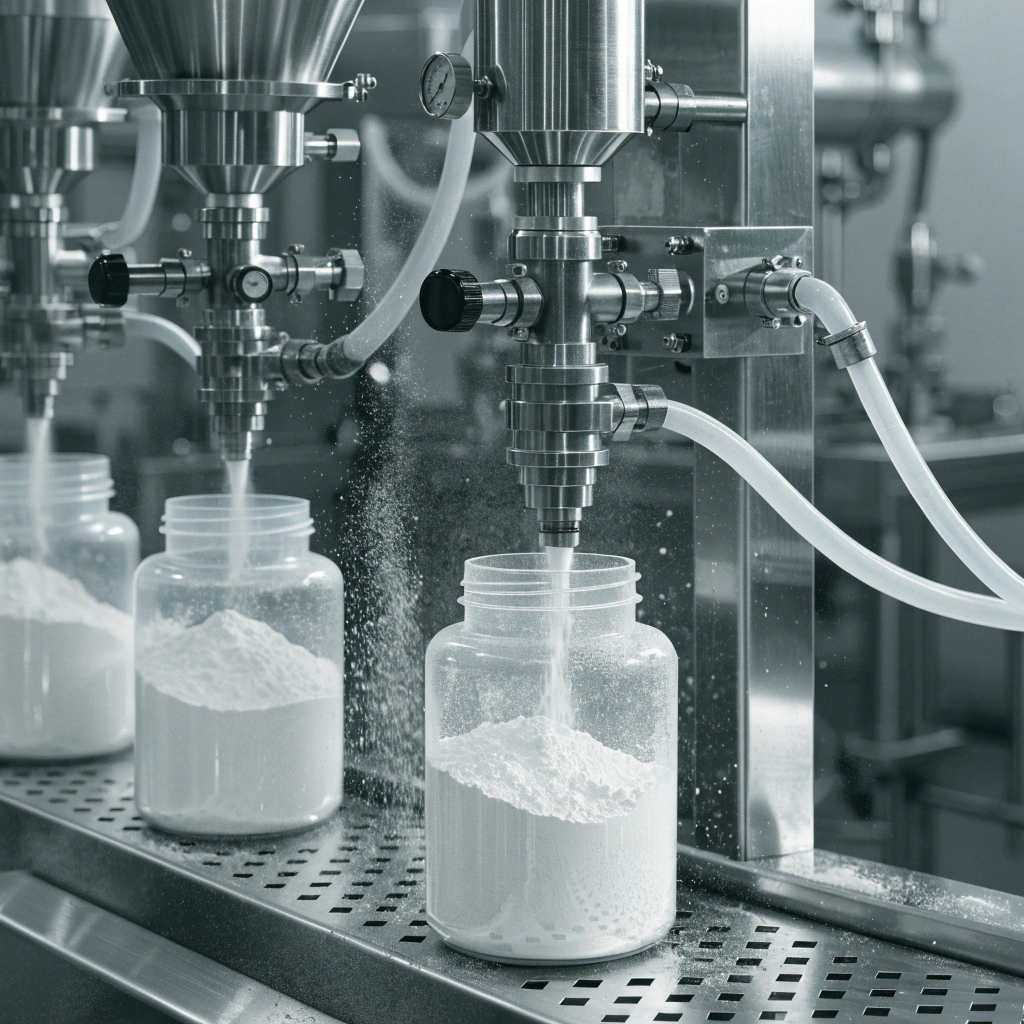
The global wellness industry is still growing really fast, so 2026 feels like one of the best moments to roll out a health supplement brand. People are increasingly hunting for vitamins, minerals, herbal products, sports nutrition supplements , and other wellness solutions that back up their personal health goals. But getting traction in this crowded space takes more than a bright idea.
You really need to understand the health supplement manufacturing process, because that knowledge helps you create a compliant, high-quality and also profitable brand.
Here’s a step by step guide that covers how to start your supplement business , and how to move through the whole manufacturing journey, from the initial concept, all the way to the final launch.
Step 1: Identify Your Niche and Target Market
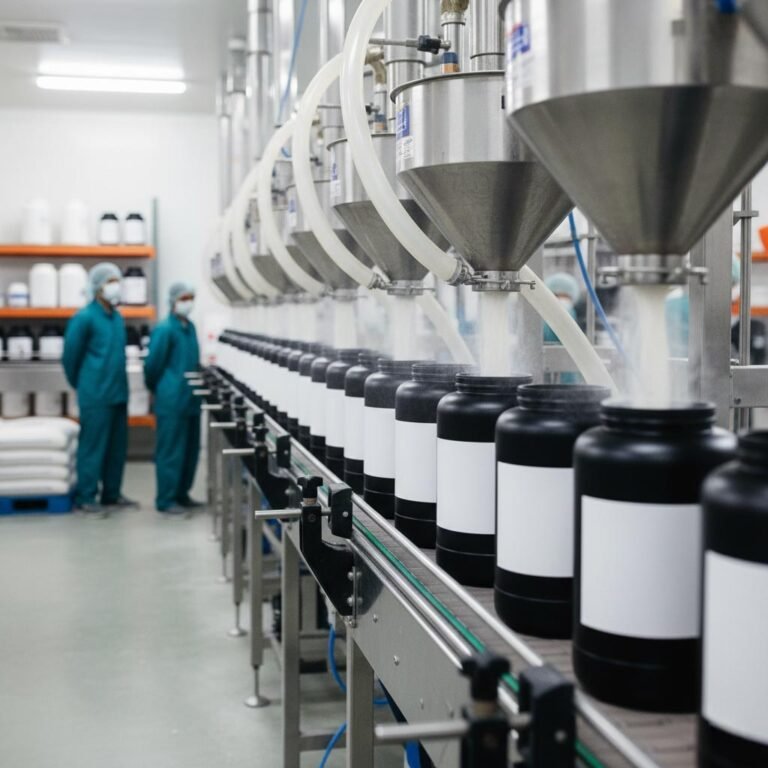
Before creating a product, define who you’re really aiming at, and which market segment it’s in. Like you know, find that target group first then everything else can kinda follow. Popular supplement categories tend to look like this:
-Immune support
-Weight management
-Sports nutrition
-Gut health and probiotics
-Women’s health
-Men’s health
-Cognitive health
-Beauty and wellness supplements
Then do market research, see what customer frustrations are, what’s starting to trend right now, and where there’s a gap or two . A focused niche, usually ends up doing better than trying to match or beat well known brands across multiple categories all at once .
Step 2: Choose Your Product Formula
Your supplement formula is basically the base layer of your brand, you know it kind of sets everything.
Most times you only really have two roads, kind of.
-Custom Formulation
This is a one of a kind formula that gets built specifically for your brand. It creates real differentiation, but it also means more development time, more trial and testing too.
-Private Label Formulation
When you work with a private label supplement manufacturer, you can pick from proven formulas that are already developed, already tested. This option keeps startup expenses way lower, and it helps you launch faster, into the market.
Quite a few newer supplement brands start with private labeling first, then later they switch into custom formulations as they grow and get more room to experiment.
Step 3: Partner With a Reliable Manufacturer
Choosing the right manufacturing partner is maybe one of the most important choices you’ll ever make, honestly.
Try to find manufacturers that provide
– cGMP -compliant facilities
– Quality testing procedures
– Ingredient sourcing transparency
– Product development support
– Packaging and labeling services
– Regulatory guidance
Current Good Manufacturing Practices, better known as cGMP, are broadly accepted as essential benchmarks for dietary supplement production and overall quality control. When a manufacturer follows these kinds of rules, they usually keep recorded workflows, solid quality systems, and defined testing protocols during the whole production run.
Working with an experienced private label supplement manufacturer can help simplify the manufacturing process while still keeping product quality and consistency on track.
Step 4: Source High-Quality Ingredients
Ingredient quality really does affect how effective a product is, and honestly it also plays a part in customer trust, too.
Manufacturers should verify :
-Ingredient identity,
-Purity
-Potency
-Safety
-Supplier documentation,
Not all raw materials are the same though. Using higher grade sourcing for ingredients helps create steady products and it supports long term brand credibility, even when people are pretty skeptical. In industry discussions you often hear that ingredient sourcing, as well as quality confirmation, are big differentiators among supplement brands, so it matters.
Step 5: Develop Compliant Labels and Packaging
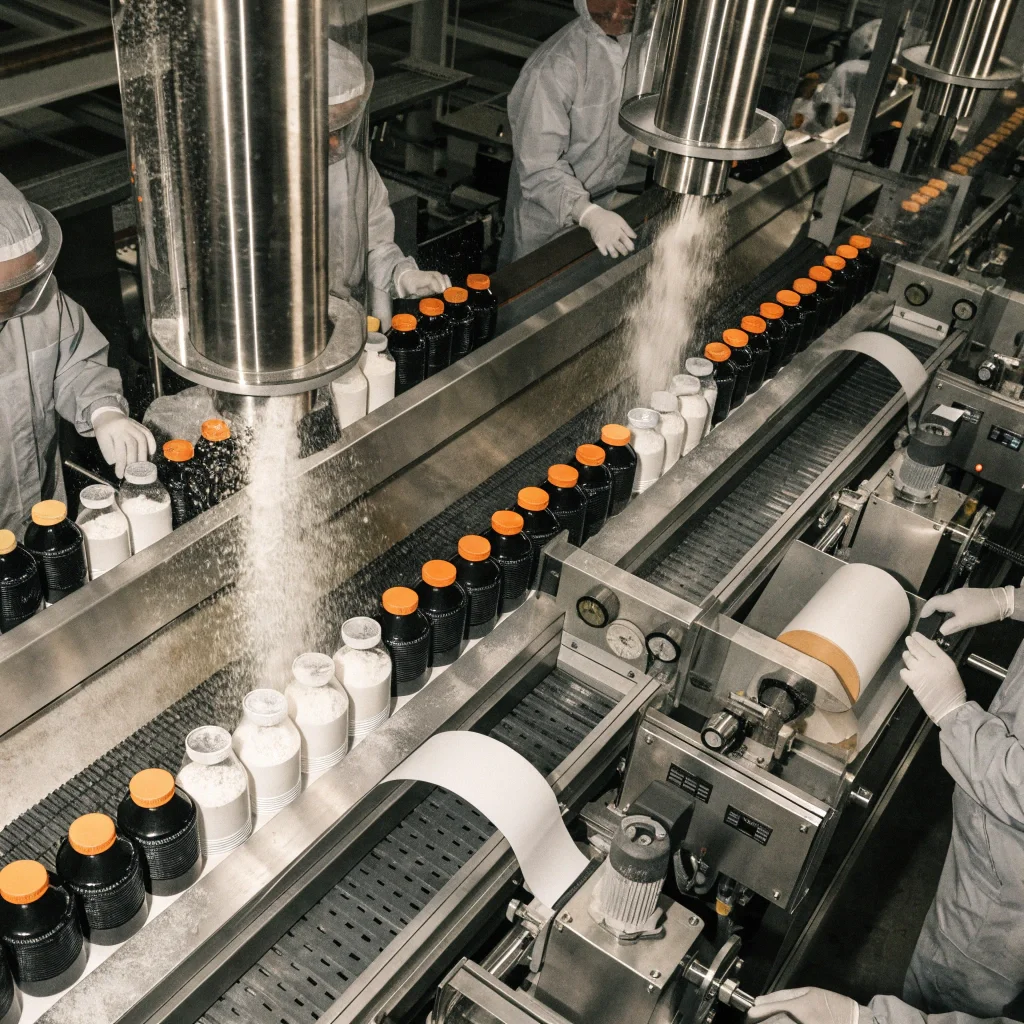
Attracting Customers with Packaging
Your packaging is likely to be the first thing your customers notice.
Your Supplement Label Will Include:
– Supplement Facts Panel
– Ingredient List – Directions for Use
– Warnings & Disclaimers
– Manufacturer Information
– Lot Number and Expiration Date
Avoid claims to treat a disease or other health-related claims that are not supported by scientific evidence. All dietary supplement manufacturers are responsible for ensuring that their products are accurately labeled and marketed in accordance with applicable laws and regulations.
By introducing a professional package design, your product will improve your shelf appeal and conversion rate online.
Step 6: Manufacture and Test Your Product
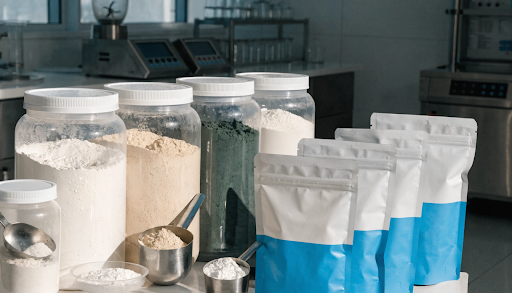
The process for producing health supplements generally includes:
– Developing a formula
– Obtain raw materials
– Test the ingredients
– Mix & Blend
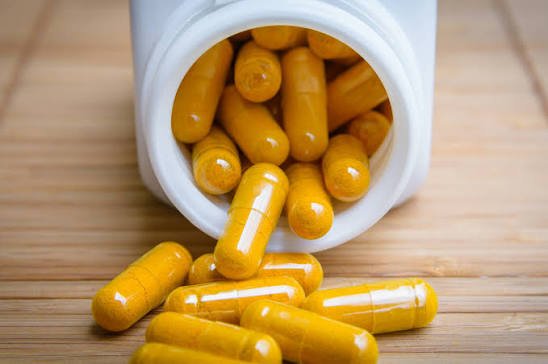
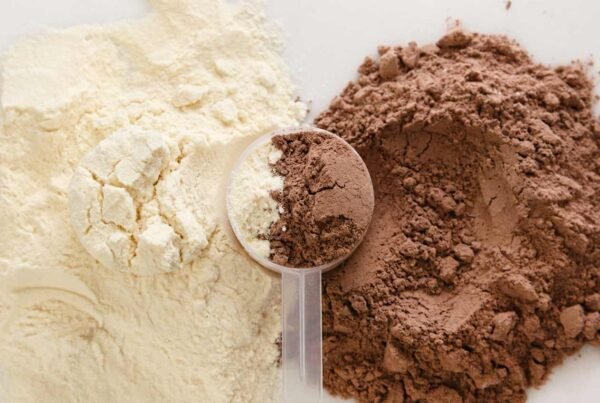
– Produce encapsulated, tablet, powdered, or liquid forms
– Ensure in-process quality assurance checks
– Testing of finished products,
– Packaging and labeling.
Quality control should be done throughout each stage of production. Modern supplement manufacturers use established processes and procedures; batch records and lab test results to help ensure quality throughout the product’s life cycle.
Step 7: Build Your Brand and Sales Channels
Once you’ve produced your products, turn your attention toward distributing and marketing them.
Distributors, retailers, gyms and fitness clubs, and practitioner networks typically will sell in:
-Shopify stores
-Amazons
-Online health market places
-Retail
-Health clubs
Typically, successful supplement brands will make considerable investments in:
-SEO and content
-Social media
-Influencer relationships
-Subscription services
Retention of customers within the supplement industry is particularly important as repeating sales constitute a significant part of the industry’s long-term profits. Money, trust, transparency, and product quality play a key role in customer loyalty.
Step 8: Scale Your Product Line
Considering adding complementary products as your brand develops and expands.
Some examples of complementary products are:
-Retail Lease Supplements
-Functional Powders
-Protein Products
-Specialized Wellness Formulas
Collaborating with a private label supplement manufacturer who has scaling capabilities provides you the opportunity to launch new products without having to invest in the infrastructure necessary to make products yourself.
Final Thoughts
Entrepreneurs who value customer trust, compliance, and quality will have nothing less than incredible opportunities starting a supplement line in 2026. With this focus and by identifying an appropriate niche, forming a strategic relationship with an accredited private label supplement manufacturer, and using best practices established within the health supplement industry, you can create an excellent basis for sustainable revenue growth.
Regardless of whether you are introducing your first supplement product or enhancing your current wellness brand with new supplements, qualified manufacturing partners will help streamline the process between development and reaching consumers.
For more information regarding professional supplement manufacturing services, please visit: The Pure Nutra Labs