

In the really competitive supplement industry, product quality just by itself is not enough to lock in success. Your Dietary Supplement Packaging has a big say in what happens next: it attracts customers, it builds confidence, and it also helps with compliance with industry rules. Even the strongest formula can still have a hard time catching on if the packaging is giving off the wrong signal or if it doesn’t quite match what people are expecting.
So whether you’re rolling out a brand-new product or you’re growing your lineup with private label supplement packaging, it helps to steer clear of usual packaging slip-ups. That way, your brand reputation stays steadier, and customer loyalty tends to improve.
1. Prioritizing Appearance Over Functionality
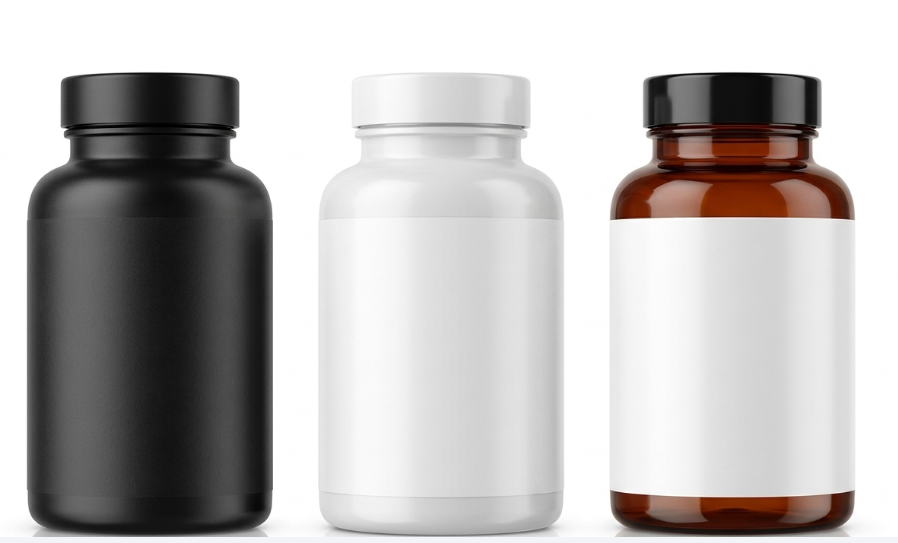
A lot of supplement brands seem to care more about making the packaging look pretty, like really visually appealing, while forgetting the practical parts, kind of. Sometimes the package is premium-looking, sure, but if it’s hard to open, it barely keeps the product protected, or it just does not match the specific supplement type, people can get irritated fast.
Good dietary supplement packaging should really mix the nice look with everyday usefulness, so the user experience stays smooth, and not annoying or awkward.
2. Using Poor-Quality Packaging Materials
Going with low-cost materials can, pretty quickly lead to damaged products, freshness that sort of slips away and a shorter shelf life . Also supplements tend to be pretty sensitive to moisture heat and even light, so the packaging quality is extremely important, like it really is.
Putting some money into solid, durable, high-quality materials for private label supplement packaging helps keep the product integrity, and it also signals professionalism in a more subtle but clear way.
3. Overloading Labels with Information
A lot of brands try to jam in every little feature, benefit, and certification right on the front label. In the end it can turn into a kind of cluttered packaging , where customers get confused instead of really being informed.
People should be able to, at a glance, understand what the supplement actually does, which group it fits, and why it’s different. When labeling is clear and organized it tends to make the product easier to read and buyers feel more confident.
4. Ignoring Compliance Requirements
Regulatory compliance really is a critical part of Dietary Supplement Packaging, like it can’t just be handwaved. When disclaimers are missing, when claims are inaccurate, or when the Supplement Facts panel is formatted weirdly, things can slide fast into legal trouble, product recalls, and then that loss of consumer trust, you know.
So brands should go through every labeling requirement with extra attention before they even head to market. Compliance mistakes tend to be costly, and they can really harm brand credibility, in a way that lingers.
5. Inconsistent Branding Across Product Lines
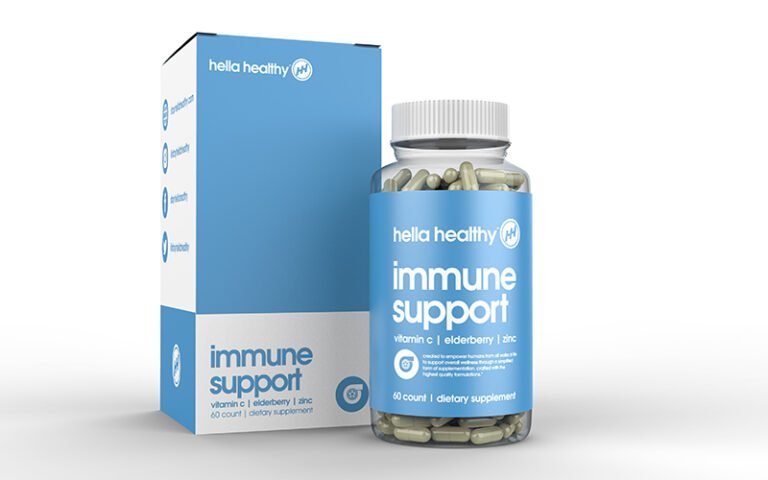
Customers kinda expect consistency, right. When you use different fonts colors, messaging style, or little logo variations across products it can make your brand look a bit unprofessional, and also harder to recognize.
With strong branding you build familiarity, and that really supports trust. If your private label supplement packaging stays consistent, shoppers can spot your products fast, plus it reinforces your brand identity too.
6. Poor Readability and Design Hierarchy
Packaging should really communicate essential information within just a few seconds. Tiny fonts and low-contrast colors, plus crowded layouts, make it hard for consumers to actually read the important details fast.
A good hierarchy makes the key advantages show up first. Then the secondary info is arranged in a logical way, almost like it has a rhythm. When that message is clear, customer engagement goes up, and purchasing decisions become a lot easier.
7. Making Misleading Claims
Overstated health claims or kinda unrealistic promises may catch attention at first, but in the long run, they can really hurt trust and also bring compliance concerns. People today are more informed than ever, and they tend to value transparency more than you’d think.
So instead of stretching the benefits, concentrate on exact product details and messaging that is backed by evidence. Using plain, truthful packaging helps build long term credibility and keeps customer loyalty strong.
Conclusion
Your packaging is usually the first moment customers really have with your supplement brand. And honestly, if you avoid a few common Dietary Supplement Packaging mistakes, you can make the product feel better, boost brand recognition, and build real customer trust. A lot is going on here, from picking the correct materials to staying compliant, to making sure the messaging is clear. Every little choice in your package kind of adds up to your brand’s success, even when it seems small.
If you’re looking for premium-quality supplement manufacturing and private label supplement packaging solutions, check The Pure Nutra Labs.