

The format shift is real. Here’s what’s driving it, and what brands need to know before they jump in.
Five years ago, launching a gummy supplement was a niche move.
Today, it’s close to a baseline expectation.
Consumers have moved toward formats that are easier to take and easier to stick with. Gummies sit right at that intersection. Brands are following, and the ones doing it well are asking harder questions before they start.
The Consumer Already Made the Decision
Swallowing large capsules every morning is, for many people, a small but consistent friction point.
Pill fatigue is a widely documented challenge in supplement and medication adherence. When people find a format easier and more pleasant to take, they take it more consistently. That’s the simple logic behind the gummy shift.
For a brand, consistent daily use isn’t just a wellness outcome. It drives repurchases.
On top of that, the gummy format has grown well beyond basic multivitamins. Functional gummies targeting sleep, gut health, immunity, stress, and cognitive support are now a serious product category competing on formulation specificity, not just taste.
Gummies Look Simple. The Manufacturing Isn’t.
This is the part most brands underestimate.
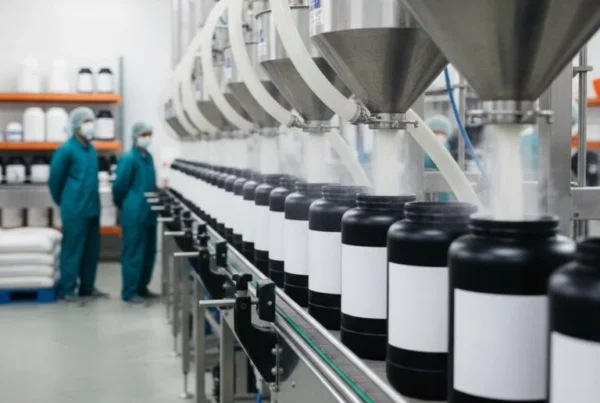
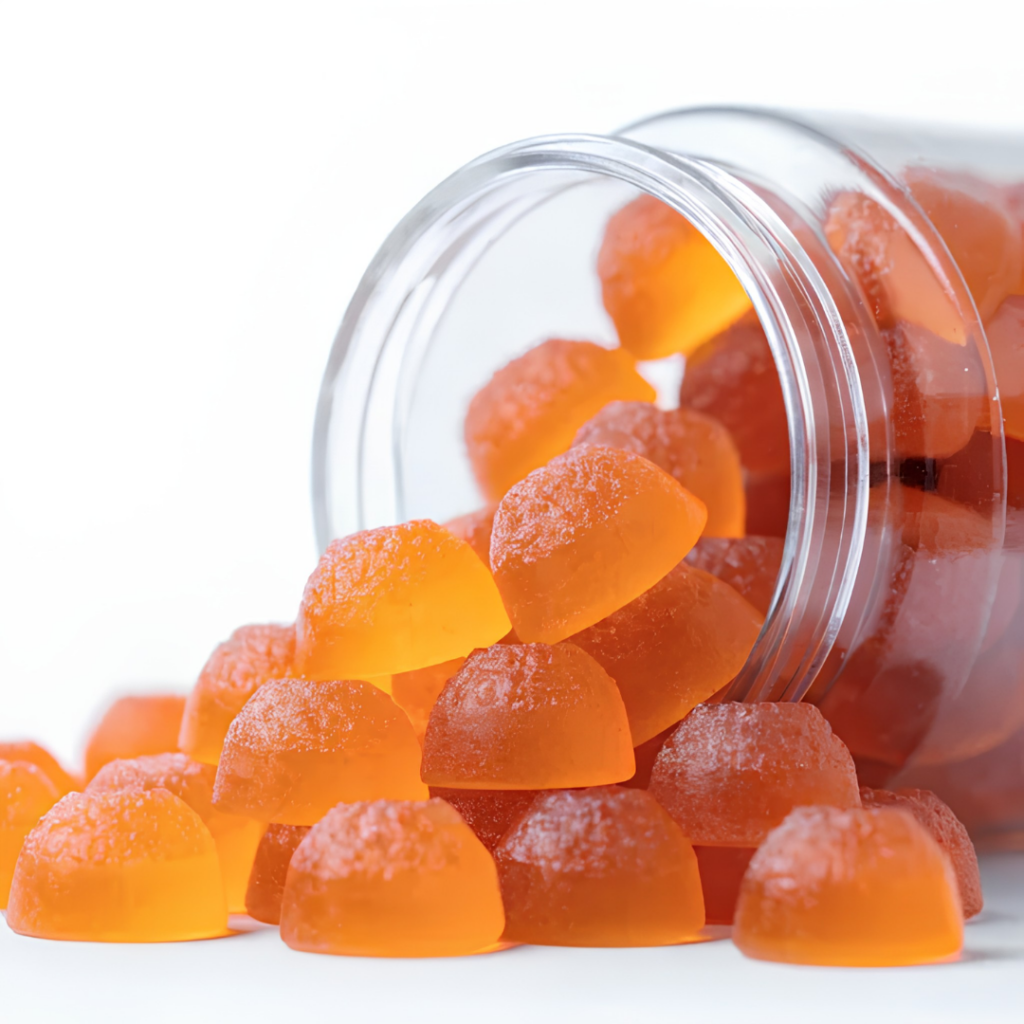
A gummy isn’t an ingredient poured into a mold. Every variable in the production process temperature, humidity, pH, cooking duration, gelling agent concentration affects the finished product. One parameter off and you end up with a batch that’s too soft to package, or too firm to chew by the time it reaches the shelf.
A qualified gummy supplement manufacturer manages all of this precisely:
- Gelling agent selection – gelatin for standard formulas, pectin for vegan. Both have different production behaviors and require different process controls.
- Ingredient stability – heat-sensitive ingredients like probiotics and certain B vitamins can degrade during the cooking stage if not introduced at the correct production step.
- Per-unit potency – under FDA’s 21 CFR Part 111, each finished unit must meet the specifications on the label. Batch average isn’t enough. Blending uniformity and individual unit testing both matter.
- Moisture and sugar control – directly affects texture, shelf life, and stability, particularly for brands distributing in warmer climates.
This is why the manufacturer choice matters more with gummies than with most other formats. A general contract facility that offers gummies alongside fifteen other formats is a different conversation from a team that runs gummy production day in, day out.
Where Softgels Come Into the Picture
Brands building a multi-SKU line often end up needing both formats, and for good reason.
Gummies work well for water-soluble vitamins, minerals, probiotics, and adaptogens. But fat-soluble ingredients, Omega-3s, Vitamin D3, CoQ10, fish oil blends don’t translate cleanly into gummy form. They don’t bind properly with water-based gelling systems, and texture and stability both suffer.
That’s where a softgel supplement manufacturer becomes the right conversation.
Softgels encapsulate oil-based ingredients in a sealed shell, better bioavailability for fat-soluble compounds, cleaner delivery, and more stability over the product’s shelf life.
A brand might run a probiotic gummy and an Omega-3 softgel under the same product line. That’s not inconsistent, that’s the format serving the formula, not the other way around.
Brands that figure this out early save themselves a reformulation problem later. The time to decide is in the development stage, not after the first batch has been produced.
Gummy Labeling Has Specific Traps
The same cGMP regulations under 21 CFR Part 111 apply to gummies as to any other supplement format.
But because gummies are consumer-friendly by design, they attract more overclaiming and the FDA has been active in issuing warning letters across the supplement category for exactly this.
A few labeling specifics that catch brands off guard:
- Serving size must reflect the actual gummy count needed to deliver the stated does not assume one gummy when two are required.
- Sugar content must be accurately disclosed in the Supplement Facts panel.
- Gelatin source must be verifiable through a certifying body for Halal or Kosher products stating it on the label isn’t sufficient on its own.
- Any health or function claim must be substantiated under DSHEA and carry the required FDA disclaimer.
A good manufacturer catches these in the formulation and label review stage, before anything goes to print, not after.
Clean Label Is Now the Starting Point
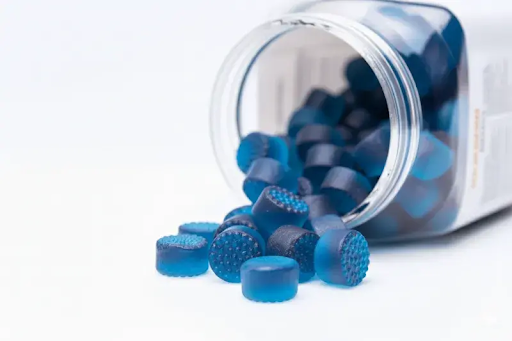
Natural flavors, natural colorants, no artificial sweeteners, vegan-friendly options — these were premium features a few years ago.
A significant portion of the market now expects them by default.
Pectin-based gummies require different process controls than gelatin. Natural colorants behave differently across pH levels and heat. Sugar-free formulations using alternative sweeteners need separate stability and taste-masking work.
Not every manufacturer has developed these capabilities, even if they say they offer clean-label options.
Before committing, ask directly: How many of your current formulas are pectin-based? What natural colorants do you work with regularly? The specificity of the answer tells you whether this is a standard part of their workflow or something they’re figuring out alongside you.
Questions to Ask Before You Commit
Gummies carry higher base production costs than capsules. Equipment is more specialized, processes take longer, and trial run waste is real.
That makes the pre-commitment conversation more important, not less.
- What’s the MOQ difference between a stock formula and a custom formulation and how does each affect lead time?
- How many batches have you produced in this specific format pectin-based, sugar-free, probiotic-infused?
- Is there a standing Master Manufacturing Record from the first batch, or does the reorder process restart from scratch?
- Is label design and packaging coordination handled in-house, or will I be managing that separately?
A manufacturer built for brand growth has clear answers to all of these. One that isn’t will treat every reorder like a new project.
In Conclusion
Wellness brands aren’t moving to gummies because it’s a trend. They’re doing it because their customers already prefer the format, and the repurchase and habit-forming benefits are real.
But gummy manufacturing has a steeper production curve than most formats. Formulation, stability, and compliance all have to come together before a single unit ships.
That’s where The Pure Nutra Labs comes in. FDA-registered, cGMP-compliant, and experienced across gummies, softgels, capsules, and more, they’re built to help brands launch right and scale with confidence.
Pick the right partner early. The first batch sets the template for everything that follows.