

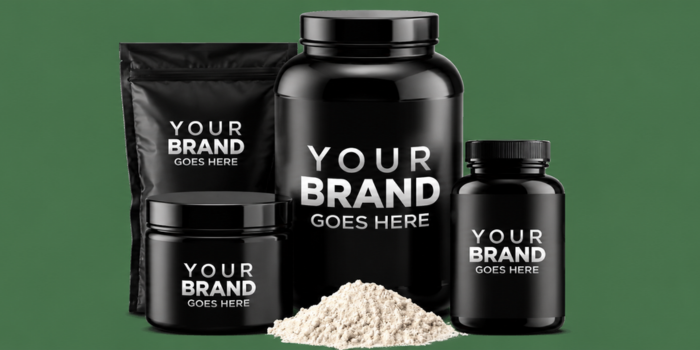
Launching a supplement brand used to mean building a plant, hiring formulators, and buying encapsulation lines before selling a single bottle. Private label manufacturing changed that. Today a founder, clinic, gym, influencer, or established retailer can partner with a manufacturer that already has the facility, equipment, quality systems, and regulatory know-how. The brand can then focus on positioning, marketing, and customer relationships.
The opportunity is large. In the Council for Responsible Nutrition’s 2023 consumer survey, 74% of U.S. adults reported taking dietary supplements, and 55% were regular users. That is a mainstream category with repeat buyers. It is also a crowded one, and weak execution is punished quickly. Poor formulas, sloppy labels, inconsistent batches, and unsupported claims are the fastest ways to lose customers, retail placements, and marketplace listings.
This guide covers how to build and scale a supplement brand in the USA with a private label partner: what private label means, the regulatory framework, choosing a partner, formulation, dosage forms, labels and packaging, scaling, fulfillment, and a realistic launch roadmap. Regulations change, so treat this as an educational overview rather than legal advice, and confirm current requirements with the FDA’s dietary supplement resources and a qualified regulatory professional.
1. What “Private Label” Really Means
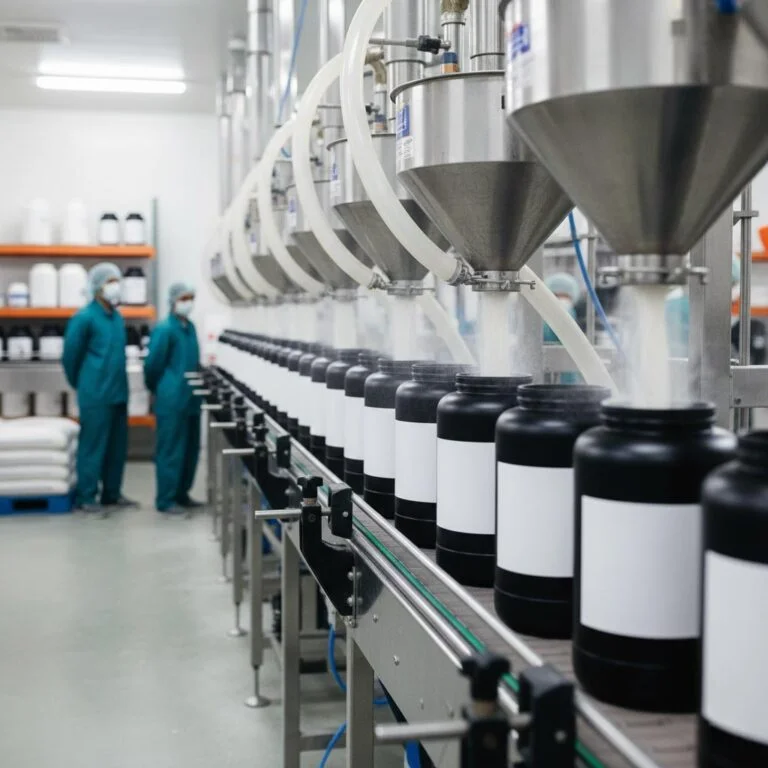
Private label, white label, and contract manufacturing
These terms are often used interchangeably, but they describe different levels of customization.
- White label is a manufacturer’s ready-made formula with your name on it. It is fast and needs little capital, but other brands may sell the same formula.
- Private label means the manufacturer produces the product for your brand. Depending on the manufacturer, you may pick from a library of base formulas and adjust ingredients, potencies, flavors, and packaging, or move into fully custom formulation.
- Contract manufacturing (also called toll or custom manufacturing) means you own the formula and specifications, and the manufacturer executes them. It gives the most control and differentiation, but usually comes with the highest minimums and longest timelines.
Most brands move along this spectrum over time. They launch with a proven base formula, learn from customer feedback, and invest in proprietary blends as revenue grows.
Who uses private label?
- Direct-to-consumer startups selling through Shopify, Amazon, or social commerce
- Healthcare practitioners and clinics offering branded products to patients
- Gyms, trainers, and wellness coaches extending their expertise into a product line
- Retailers and e-commerce sellers who want an exclusive, higher-margin line
- Established consumer brands entering wellness
- Influencers and creators turning an audience into a product business
Each has a different tolerance for minimum order quantities, speed, and customization, which is why the right manufacturer is closer to a strategic partner than a vendor.
2. The U.S. Regulatory Foundation
The brand owner carries legal responsibility for what is sold under its name, no matter who manufactures it. Understanding the framework helps you ask better questions and avoid costly mistakes.
DSHEA and the FDA’s role
Dietary supplements are regulated under the Dietary Supplement Health and Education Act of 1994 (DSHEA), which amended the Federal Food, Drug, and Cosmetic Act. Supplements are treated as a category of food, not drugs. The FDA does not pre-approve supplement products or labels, so manufacturers and brands are responsible for safety, accurate labeling, and compliance. The FDA’s dietary supplement hub is a good place to start.
Current Good Manufacturing Practice (cGMP)
The core manufacturing rule is 21 CFR Part 111, which sets minimum cGMP requirements for manufacturing, packaging, labeling, and holding dietary supplements. It took effect in 2007 and was phased in by company size, so compliance has long been a settled expectation. The FDA’s reasoning is laid out in the original 2007 final rule and preamble in the Federal Register.
Part 111 requires control over:
- Personnel: qualifications, hygiene, and supervision
- Physical plant and grounds: sanitation, design, and maintenance
- Equipment: cleaning, calibration, and suitability
- Production and process controls: a quality control unit, specifications, master manufacturing records, and batch production records
- Testing: identity testing of components and verification that finished batches meet specifications
- Packaging and labeling: controls that prevent mix-ups
- Holding and distribution: storage conditions and traceability
- Complaints, returns, and recalls: documented procedures
- Recordkeeping: proof that each lot was made under control
Your manufacturer’s cGMP compliance is central to your brand’s risk profile. Weak documentation, incomplete specifications, or poor change control can expose you to recalls, warning letters, and reputational harm. Quality audits and documentation requests belong in the vetting process, not the afterthought pile.
Facility registration
Facilities that manufacture, process, pack, or hold food for U.S. consumption, including supplements, generally must register with the FDA. Ask any prospective partner for its registration details and inspection history.
Adverse event reporting
The responsible person named on the label must be prepared to receive and report serious adverse events to the FDA. For a private label brand this is a shared duty. Your name is on the label, so you need a customer-facing contact and an internal escalation path, even if the manufacturer helps with the paperwork.
New dietary ingredients
An ingredient not marketed in the U.S. as a dietary ingredient before October 15, 1994 may be a “new dietary ingredient” requiring FDA notification before marketing, unless an exemption applies. This is one of the most common traps for innovation-focused brands, especially with novel botanicals and trending compounds. A good manufacturer’s regulatory team should flag issues at the formulation stage, before you commit to inventory.
3. Choosing the Right Manufacturer
The manufacturer decision shapes quality, margins, speed to market, and your ability to scale.
Quality systems and documentation
Ask for evidence, not just assurances:
- cGMP compliance consistent with Part 111
- Third-party GMP audits or certifications from programs such as NSF, USP, or UL
- A written quality manual and a functioning quality control unit
- Certificates of Analysis (COAs) for raw materials and finished products
- Specifications for identity, purity, strength, and composition, plus contaminant limits
- Change control and deviation procedures
- Supplier qualification for raw material vendors
- A documented recall and complaint-handling process
If a manufacturer cannot show you a sample COA or explain how it verifies ingredient identity, treat that as a red flag.
Capabilities across dosage forms
A versatile partner means fewer vendors to manage. Depending on your roadmap, look for capability in capsules (vegetarian and standard), softgels for oils and lipophilic ingredients, gummies (including pectin-based vegan options), powders (tubs and stick packs), liquids (tinctures, shots, syrups), and tablets or effervescents. If your line will span several formats, choose a manufacturer that offers them or partners with vetted specialists.
Formulation and regulatory support
The best partners have in-house or closely affiliated formulators, regulatory staff, and quality professionals. They can advise on ingredient forms (for example, magnesium glycinate versus oxide), clinically studied dosages, interactions, stability, and label-compliant naming.
MOQs, pricing, and capacity
Minimum order quantities vary widely. Capsule and powder runs generally tolerate smaller batches than softgels or gummies, which need more specialized equipment. Ask for clear MOQs by format and how pricing changes as volume rises. Also ask about lead times for formulation, sampling, procurement, production, and packaging, and how the manufacturer handles peak seasons. A capacity crunch during a successful launch is a painful problem.
Transparency
Look for a dedicated project manager, regular updates, and straight answers about pricing, timelines, and risks. Manufacturers that avoid specifics early rarely become more transparent later.
Questions to ask every prospective manufacturer
- Are you FDA-registered, and can you share your inspection history?
- What third-party audits or certifications do you hold?
- How do you verify the identity of every incoming raw material?
- What testing is performed on finished batches, in-house or externally?
- What are your MOQs by dosage form?
- Who owns the formula, and can I move it to another manufacturer?
- How do you handle stability testing and shelf-life determination?
- Can you support label design, printing, and packaging?
- Do you offer fulfillment, or partner with a provider?
- What is your process for change control, deviations, and complaints?
4. Custom Formulation: Building a Product That Stands Out
A stock formula gets you to market fastest. A custom formula creates differentiation, protects brand equity, and lets you target a specific audience. Many brands do both, using stock products for speed and revenue and one or two proprietary flagships for positioning.
The formulation process
- Define the audience and goal. Start with the customer and the benefit, such as sleep support for shift workers or joint comfort for active adults. A clear brief prevents feature creep.
- Choose evidence-supported ingredients and doses. The NIH Office of Dietary Supplements fact sheets are a strong starting point. For deeper evidence, search PubMed for clinical trials on your candidate ingredients.
- Check legality and safety. Confirm each ingredient’s dietary ingredient status, upper intake levels, and any interactions or contraindications that may require warnings.
- Design for manufacturability. Some ingredients flow poorly, absorb moisture, taste bitter, or degrade with heat. A skilled formulator selects excipients and process approaches that yield consistent batches. A load that looks good on paper may not fit in a size-00 capsule.
- Prototype and sample. Expect one or two sample rounds, evaluating taste, texture, disintegration, appearance, and swallowability.
- Run stability testing. Expiry dating and label claims should be backed by data, not guesses.
- Finalize specifications and the master manufacturing record. These become the standard for every future batch.
Protecting your formula
Clarify ownership and confidentiality early. A good agreement spells out who owns the formula, whether the manufacturer may sell a similar one to others, and whether you can transfer it to another facility. Have an attorney review the supply agreement and any non-disclosure or non-compete terms.
Clean-label preferences
Consumers increasingly favor non-GMO ingredients, no artificial colors, gluten-free positioning, vegan formulas, and minimal excipients. Any such claim must be true and supportable, so ask what documentation your manufacturer can provide.
5. Choosing the Right Dosage Form
Format affects cost, consumer appeal, formulation flexibility, MOQs, and shelf life.

Capsules are the industry workhorse. They handle a wide range of powders, mask unpleasant tastes, and allow flexible batch sizes. They suit botanical extracts, amino acids, probiotics, minerals, and nootropics. The watch-out is that high-dose formulas may need several capsules per serving, which can hurt compliance and perceived value.
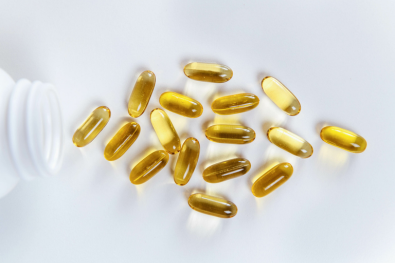
Softgels encapsulate oils and oil-soluble ingredients such as omega-3s, vitamins D and E, and CoQ10, and many consumers find them easy to swallow. Production is more specialized, with higher minimums and longer lead times, so confirm fill and shell compatibility during formulation.
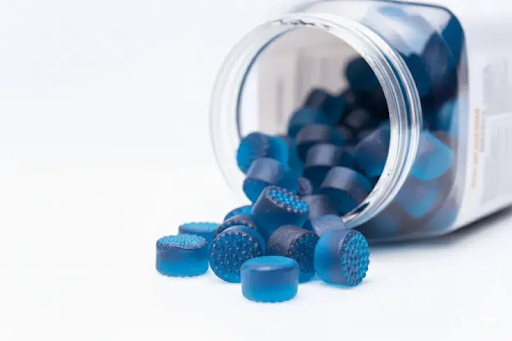
Gummies are among the fastest-growing formats because people enjoy them and stick with them. They work well for multivitamins, vitamin D and C, elderberry, and apple cider vinegar. They carry less active per piece, some ingredients degrade in heat, and potency drift over shelf life needs careful stability planning. Pectin-based and gelatin-based gummies behave differently, so ask which base fits your formula and market.
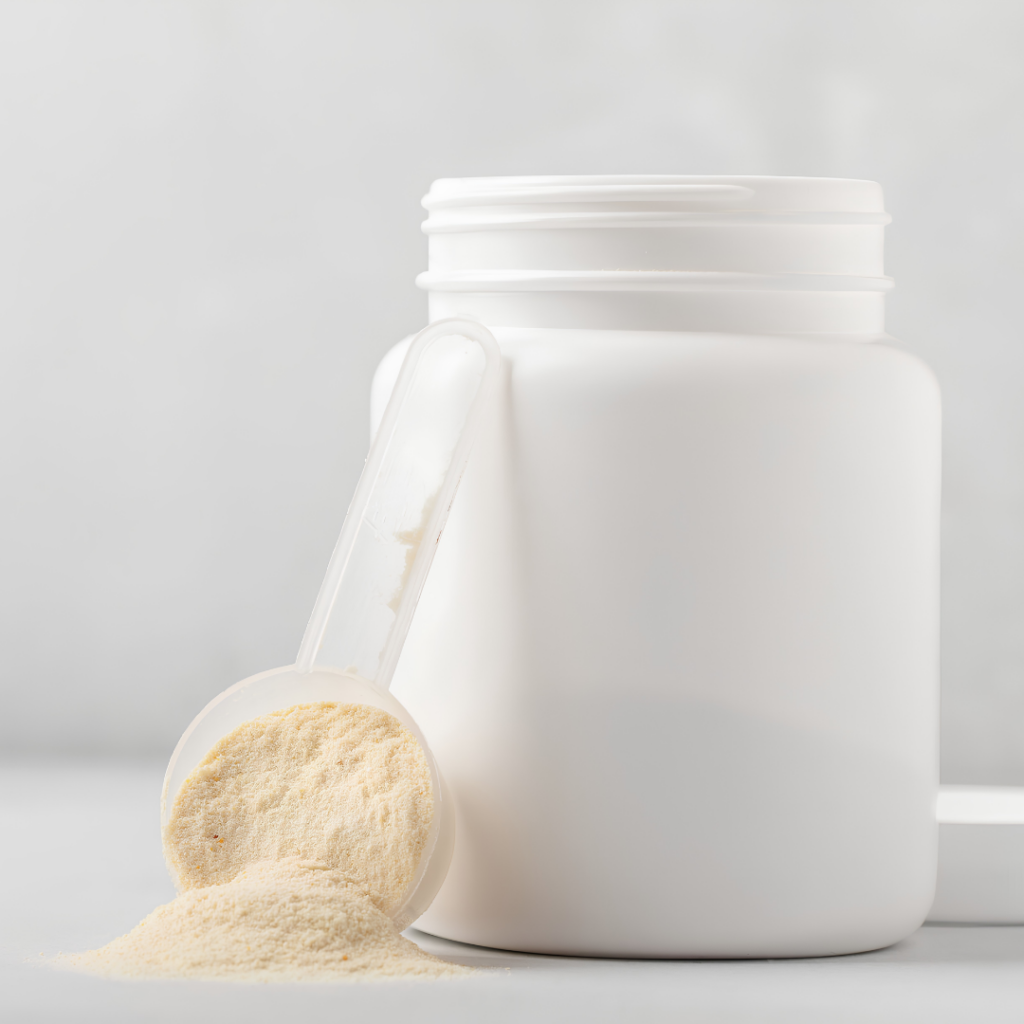
Powders include protein, greens, collagen, creatine, pre-workouts, electrolytes, and fiber, and they can deliver larger doses than capsules or gummies. Taste, mixability, and clumping make or break repeat purchases, so sample thoroughly with your target audience. Flavor systems and sweeteners also affect label claims and perception.
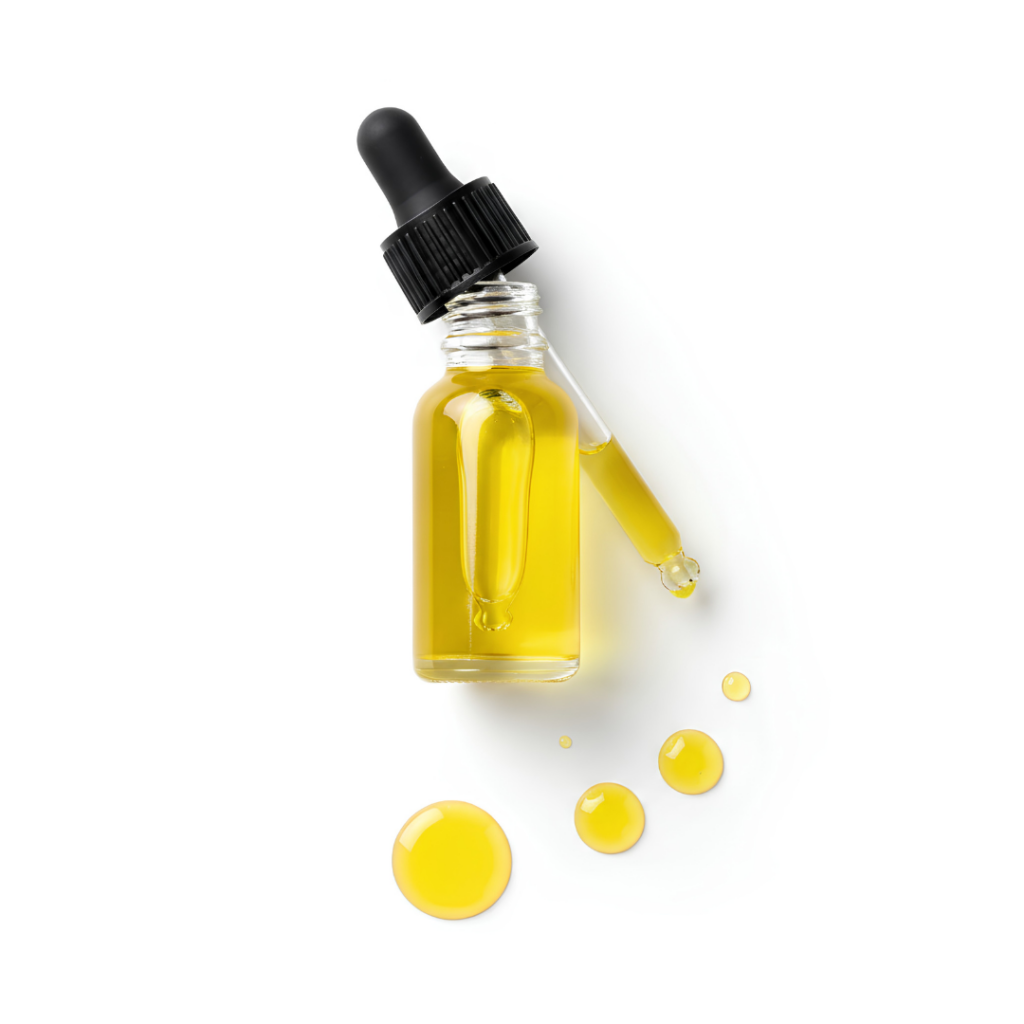
Liquids cover tinctures, shots, syrups, and drink concentrates, and they appeal to people who dislike pills. They raise stability and microbial-control questions (preservatives, pH, water activity) and add shipping weight and breakage risk.
Tablets and other formats such as effervescents, chewables, stick packs, and sachets deliver cost-efficient, high-dose nutrition or a differentiated experience.
To choose, ask three questions: What does the formula require? What does your customer prefer? What does the business model support, considering MOQs, unit economics, shelf life, shipping cost, and SKU count? Many brands start with capsules or powders and add gummies or softgels once they understand demand.
6. Label Design and Compliance
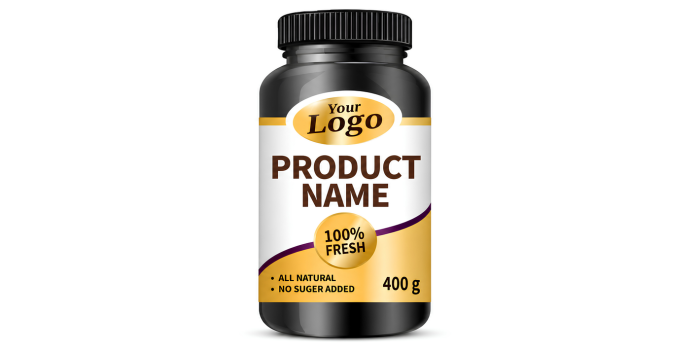
Your label is your shelf presence, your legal document, and your first impression all at once.
Mandatory label elements
Dietary supplement labels generally must include a statement of identity (for example, “Dietary Supplement”), the net quantity of contents, a Supplement Facts panel formatted per 21 CFR 101.36, a complete ingredient list including “other ingredients,” the name and place of business of the manufacturer, packer, or distributor, and directions for use with any appropriate warnings. The FDA’s Dietary Supplement Labeling Guide, available through its dietary supplement resources, is worth reading in full before you finalize artwork. Because the FDA does not preapprove labels, getting them right is on you.
Structure/function claims
Claims such as “supports immune health” or “promotes joint comfort” are permitted without FDA pre-approval, with conditions. You must have substantiation that the claim is truthful and not misleading, and you must notify the FDA of the claim text within 30 days of marketing the product. The label must also carry a disclaimer stating that the FDA has not evaluated the claim and that the product is not intended to diagnose, treat, cure, or prevent any disease. The FDA explains the rules on its structure/function claims page.
The key line to watch is between a structure/function claim and a disease claim, defined in 21 CFR 101.93. Implying that a product treats, mitigates, or prevents disease can make a supplement an unapproved drug in regulators’ eyes. “Supports healthy cholesterol levels” is framed very differently from “lowers high cholesterol,” and the second is the kind of language that draws warning letters.
Claims outside the label
Websites, social posts, influencer content, product listings, and emails are all part of your marketing footprint. The Federal Trade Commission expects supplement claims to be truthful and backed by competent and reliable scientific evidence. Its health products compliance guidance is a must-read for any brand owner.
Design best practices
- Hierarchy: put the brand name, product name, and primary benefit where the eye lands first.
- Legibility: build artwork around the Supplement Facts panel’s type-size and format requirements instead of squeezing it in last.
- Consistency: a cohesive system across SKUs, such as color coding by category, builds recognition and eases line extensions.
- Room to grow: leave space for future certifications, but add seals only once earned.
- Regulatory review before print: reprinting labels is far cheaper than relabeling finished goods.
Label printing
Consider label material (paper, film, or shrink sleeves), finish (matte, gloss, soft-touch, foil), adhesive durability under humidity or refrigeration, and print method. Digital printing suits short runs and multiple SKUs, while flexographic or offset suits large volumes. Approve physical proofs, since screens rarely match printed color, and plan lot number and expiration date placement so it is clear and permanent. Ask whether your manufacturer offers design and printing support or works with print partners, and make sure final label copy matches the master manufacturing record either way.
7. Supplement Bottle Packaging
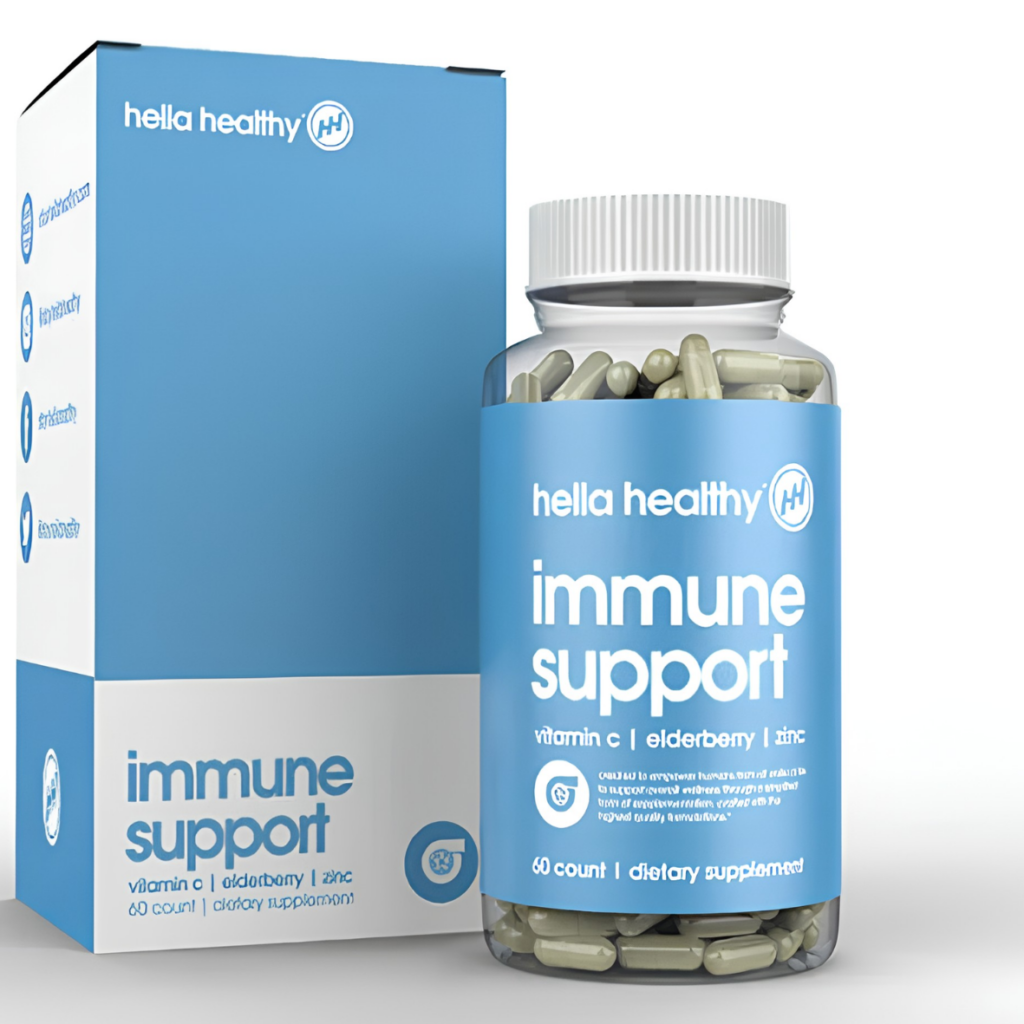
Packaging protects the product, signals quality, and influences purchase decisions. Treat it as part of the stability system, not just decoration.
Container types:
- HDPE bottles are durable, lightweight, and cost-effective for capsules, tablets, and powders.
- PET bottles and jars offer a clear, glossy, premium look.
- Glass, often amber, is common for liquids and tinctures.
- Pouches and stand-up bags suit powders and gummies and support sustainability messaging.
- Stick packs and sachets provide single-serve convenience.
- Tubs and canisters are standard for protein and greens.
Closures and protection: induction seals and tamper-evident bands guard against contamination and reassure customers. Some products, such as those containing iron, may require child-resistant closures, so check requirements with the Consumer Product Safety Commission. Desiccants control moisture, and oxygen absorbers help oxidation-sensitive products.
Stability: container choice affects shelf life. Light-sensitive ingredients need opaque or amber containers, and moisture-sensitive formulas need barrier properties. Include your final packaging in stability testing.
Sustainability: options include recyclable materials, post-consumer recycled content, and refill pouches. Keep environmental claims accurate, since the FTC’s Green Guides apply.
Beyond the bottle: for DTC brands, cartons, inserts, and shippers shape the unboxing experience and product survival in transit. Balance presentation against dimensional weight and shipping cost.
8. Bulk Manufacturing and Scaling Efficiently
From first run to repeat production
A first order should test the market without tying up excessive cash. As sell-through data arrives, order sizes should grow and unit economics improve. A manufacturer that supports both small initial runs and large repeat orders spares you a painful vendor switch mid-growth.
Demand forecasting
Poor forecasting causes problems in both directions: too little means stockouts, too much ties up cash and risks near-expiry inventory. To stay ahead:
- Track sell-through and seasonality by SKU.
- Build in lead times for procurement, production, testing, and packaging.
- Set reorder points based on the slowest realistic lead time, not the average.
- Share forecasts with your manufacturer early so it can secure materials and schedule capacity.
Supply chain resilience
Ingredient supply can be volatile, with harvest variability for botanicals and shipping delays or regulatory holds for imports. Ask about approved supplier programs, country-of-origin transparency, safety stock for critical ingredients, and backup suppliers for single-source ingredients.
Cost optimization without cutting corners
Sensible levers include larger batches to spread setup costs, standardized packaging across SKUs, serving-size optimization, consolidating formats with one partner, and long-term supply agreements when volume is predictable. Shortcuts on ingredient quality, testing, or documentation are false economies, since a single recall or platform suspension can cost far more than any savings.
Managing multiple SKUs
Each new SKU adds artwork, components, testing, inventory, and marketing effort. Prioritize SKUs that share ingredients, packaging, or audiences, and retire underperformers before they drain working capital.
9. Supplement Fulfillment Services
Manufacturing ends at the finished product, and fulfillment carries it the rest of the way.
In-house vs. third-party: self-fulfillment suits very early brands with low volume. It is cheap and gives you control, but is hard to scale. Third-party logistics (3PL) providers handle warehousing, pick-and-pack, shipping, and returns. Choose one with supplement experience, since it will understand lot tracking, expiry management, and climate-sensitive storage.
What to look for:
- Lot and expiry tracking with first-expired-first-out (FEFO) practices
- Appropriate temperature and humidity control
- Integration with your e-commerce platforms, marketplaces, and subscription tools
- Kitting and bundling for multipacks and starter kits
- Returns handling and quality processes
- Recall readiness, meaning the ability to quickly identify and quarantine specific lots
- Scalability through seasonal peaks
Channel considerations:
- DTC and subscriptions: prioritize fast shipping, branded packaging, and flexible subscription management.
- Amazon and marketplaces: each has its own supplement documentation requirements, such as COAs, labels, and supplier information, so check current category rules before launch.
- Retail and wholesale: retailers typically require routing guide compliance, labeling standards, and sometimes extra certifications or insurance.
- Practitioner channels: clinics value reliable replenishment, professional-grade quality documentation, and dispensing-friendly packaging.
Some private label partners offer integrated manufacturing, packaging, and fulfillment, which reduces handoffs and errors. If you use separate providers, define responsibilities clearly, including who owns quality checks at each handoff.
10. Testing, Certifications, and Consumer Trust
In a category where consumers cannot verify what is in the bottle, trust is a competitive advantage.
Types of testing
- Identity: confirms an ingredient is what the supplier says it is
- Potency (assay): verifies key ingredient amounts match the label
- Contaminant: screens for heavy metals, pesticides, microbes, mycotoxins, or residual solvents
- Stability: shows quality is maintained through stated shelf life
- Disintegration and dissolution: evaluates how capsules and tablets break down
Third-party certifications
Voluntary programs give consumers and retailers an independent quality signal. Well-known options include NSF International (including NSF Certified for Sport), USP Verified, Informed Sport and Informed Choice for sports nutrition, and values-based programs such as the Non-GMO Project,USDA Organic, Kosher, and Halal. Certification adds cost and time, so match it to your audience and channel. A sports brand may find banned-substance screening essential, while a clean-label wellness brand may prioritize non-GMO and organic verification.
Transparency as strategy
Brands increasingly publish COAs, list ingredient sources, and explain their testing. That can turn quality into a marketing asset, but only if your manufacturer can support what you say.
California Proposition 65
If you sell into California, Proposition 65 requires warnings when products expose consumers to listed chemicals above certain thresholds. Heavy metals in botanicals and certain minerals are the usual concern.
11. A Realistic Launch Roadmap
Timelines vary, but most launches follow this sequence:
- Strategy and positioning: define audience, concept, price point, and channels, and identify what differentiates you.
- Manufacturer selection: shortlist, request documentation, compare quotes, and confirm capabilities and MOQs. Sign a supply agreement after legal review covering formula ownership, confidentiality, and quality expectations.
- Formulation and sampling: pick a stock formula or develop a custom one, refine samples, and finalize specifications.
- Regulatory and label development: finalize the Supplement Facts panel and claims, prepare structure/function notifications, and have artwork reviewed by a regulatory professional.
- Packaging procurement: order bottles, closures, seals, labels, and cartons early, with buffers for lead times.
- Production and quality release: the manufacturer produces and tests the batch. Review the COA and batch records before accepting inventory.
- Fulfillment setup and launch: ship inventory, configure channels, and launch with sell-through and feedback tracking.
- Optimize and scale: use customer data to refine products, expand the line, negotiate better pricing, and build your certification stack.
Rushing the early phases is the most common cause of expensive mistakes later.
12. Common Mistakes to Avoid
- Choosing on price alone. The cheapest quote may hide weak quality systems, substitutions, or fees.
- Making disease claims. Implying a supplement treats or cures a condition invites regulatory attention.
- Skipping the FDA notification. The 30-day structure/function notification is not optional.
- Ignoring formula ownership. Without clear terms, you may be unable to move your product, or a competitor may buy nearly the same formula.
- Underestimating lead times. Materials, packaging, testing, and printing all take time.
- Launching too many SKUs too soon. A focused line is easier to market, forecast, and finance.
- Neglecting stability. Unsupported expiry dating leads to potency shortfalls and complaints.
- Treating labels as an afterthought. Late changes mean reprints, relabeling, and delays.
- Failing to plan for adverse events and recalls. Set up contacts, escalation paths, lot traceability, and procedures before you need them.
- Not reading your supply agreement. Terms on minimums, price adjustments, exclusivity, liability, and termination matter as much as the product.
13. Pre-Launch Checklist
Manufacturer and quality
- Verified FDA registration and cGMP practices
- Reviewed audit or certification documentation
- Confirmed testing plan and sample COAs
- Signed supply and quality agreements after legal review
Formulation
- Confirmed ingredient legality and safe dose ranges
- Evidence supporting each intended claim
- Approved final samples
- Stability plan and expiry dating established
Labeling and claims
- Supplement Facts panel and label copy reviewed for compliance
- Structure/function claims documented with substantiation
- Required disclaimer included
- FDA notification ready to file within 30 days of first marketing
- Website, ads, and social content reviewed against FTC guidance
Packaging and production
- Bottles, closures, seals, and labels ordered with buffers
- Physical label proofs approved
- Lot and expiry code placement confirmed
Operations
- Fulfillment partner selected and integrated
- Adverse event and complaint process in place
- Recall and traceability plan documented
- Forecast and reorder plan established
Frequently Asked Questions
How long does it take to launch a private label supplement?
It depends on format, customization, and packaging lead times. Stock formulas with existing packaging move fastest, while custom formulas, softgels, gummies, and third-party certifications generally take longer. Ask manufacturers for realistic timelines by product type.
Do I need FDA approval to sell a dietary supplement?
No, the FDA does not approve supplements before marketing. But products must be made under cGMP, labeled accurately, and free of unlawful claims, and certain notifications may apply.
What is the difference between private label and a custom formula?
Private label commonly uses an existing base formula under your brand, sometimes with adjustments. A custom formula is developed specifically for you, giving more differentiation and control.
Who is responsible for compliance, the brand or the manufacturer?
Both, but the brand named on the label carries significant legal and reputational accountability. Choose a manufacturer that supports compliance, and don’t assume it will handle everything.
Can I move my formula to another manufacturer?
Only if your agreement allows it. Settle ownership and transfer rights before production begins.
Which dosage form should I start with?
Capsules and powders are common starting points thanks to format flexibility and accessible minimums. Gummies and softgels can be excellent for the right product and audience but need more specialized production.
Do I need third-party certification?
It is not legally required for most supplements, but it can build trust and open doors with certain retailers, especially in sports nutrition.
Conclusion: Build for Quality First, Then Scale
Successful private label brands treat quality and compliance as strategic assets, not obstacles. They choose partners with strong cGMP systems, invest in thoughtful formulation, design labels that are compelling and compliant, and protect their product with smart packaging and fulfillment. Then they scale deliberately, using real sales data to guide each investment.
The Pure Nutra Labs supports brands at every stage, from concept and custom formulation through capsules, softgels, gummies, powders, and liquids, and on to label and packaging support and scalable bulk production. If you’re ready to turn a product idea into a market-ready supplement brand, contact our team to discuss your goals, timelines, and requirements.