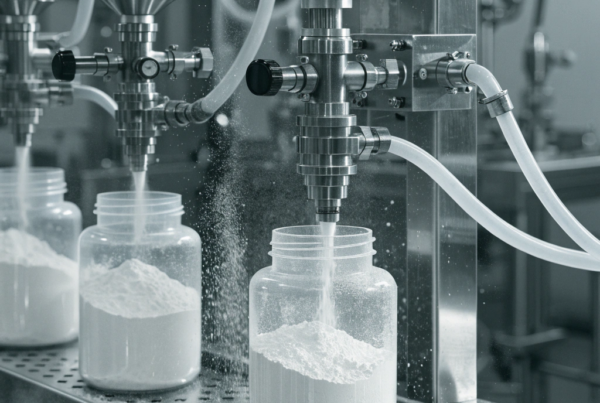



A founder approves a formula, places a first order of several thousand units, and then runs into three problems in a single month. The gummies soften during summer shipping. The label panel doesn’t fit the bottle that was already ordered. And the reorder, it turns out, sits behind other customers’ production runs for weeks. None of this was caused by the product idea. It came from decisions made, or postponed, when the brand chose how and with whom to manufacture.
That choice shapes almost everything that follows: quality, margins, timelines, and how easily you can grow. A dependable private label supplement manufacturer can shorten the path to market considerably, but only if you understand what you are buying and what you still need to decide yourself.
This guide walks through the complete journey: manufacturing models, formulation, formats, labeling, packaging, minimum order quantities, fulfillment, cost drivers, and timelines. It also covers how to evaluate a manufacturing partner and what to ask before you commit. By the end, you should be able to move from concept to a finished, market-ready product with fewer surprises.
What Is Supplement Manufacturing?

Supplement manufacturing is the process of turning a product concept into a finished, packaged, labeled dietary supplement that is ready to sell. That includes sourcing raw ingredients, blending or encapsulating them, forming them into a capsule, gummy, powder, softgel, or liquid, filling and sealing containers, applying labels, and documenting every step.
Most new brands do not build their own facilities. Instead, they work with a contract manufacturer, sometimes called a co-packer or private-label manufacturer. The brand owns the product’s identity, marketing, and customer relationships. The manufacturer handles production, and often supports sourcing, packaging, labeling, and sometimes storage and shipping.
It helps to picture the full path as a chain:
- A concept (who the product is for and what it should do)
- A formula (what goes into it, and in what amounts)
- A format (how the consumer takes it)
- Production under quality controls
- Packaging and labeling
- Storage, fulfillment, and reorders
Each link depends on the others. A formula that works well as a powder may not translate to a gummy. A beautiful bottle may not protect a moisture-sensitive capsule. A price that looks attractive per unit can become expensive once freight, testing, and unsold inventory are counted.
That is why manufacturing is a business decision before it is a production decision. It affects your margins, how fast you can launch, how consistently the product performs from batch to batch, and how comfortably you can scale when demand grows.
Private Label vs. Custom Supplement Manufacturing
The first major decision is whether to launch with an existing formula or develop your own. Both are legitimate routes, and the right one depends on your budget, timeline, and how much you want to stand apart.
Private-Label Supplements
Private labeling means a manufacturer offers a pre-developed, ready-to-produce formula, and you sell it under your own brand name. The formulation, ingredient sourcing, and production processes already exist. You typically choose the format, flavor or variant where available, container, and label.
Working with an experienced private label supplement manufacturer has clear advantages:
- Speed. The formula is already developed, so you skip most of the research and stability work.
- Lower upfront investment. You are not paying for formula development from scratch.
- Reduced complexity. For a first launch, fewer variables mean fewer places for delays.
- Proven starting point. Ready-to-produce formulas have usually been manufactured before.
The limitations are just as real:
- Other brands may sell the same or a very similar formula.
- You have less control over ingredient forms and dosages.
- Differentiation has to come from branding, positioning, packaging, and customer experience rather than the formula itself.
Private label tends to suit founders testing a market, ecommerce brands adding a straightforward product to an existing audience, and businesses that want to launch quickly without a large development budget. Many brands start here, learn from customer feedback, and move to custom products later. If you are exploring this route, see our [Internal Link: Private Label Supplements] page for current options.
Custom Supplement Formulation
Custom formulation means the product is developed specifically for your brand. Working with custom supplement formulation services, you decide, with the formulator’s guidance, which ingredients go in, in what forms and amounts, and how the finished product should taste, look, and perform.
A custom project usually involves several layers:
- Ingredient selection. Choosing specific forms of an ingredient, not just the ingredient name, because different forms can differ in solubility, taste, stability, and cost.
- Dosage considerations. Balancing the amounts you want against what physically fits in a capsule or serving, what the ingredient supplier recommends, and the rules in your target market.
- Compatibility. Some ingredients react with each other, attract moisture, or degrade in certain formats.
- Sensory profile. Flavor, texture, color, and mixability matter greatly in gummies, powders, and liquids.
- Differentiation. A distinct formula gives you something competitors cannot copy by simply reordering a catalog product.
Custom work is a better fit for brands with a specific point of view, a clear audience, a larger budget, or a need to protect their positioning. It also suits established companies that have already validated demand and want an exclusive product. Our [Internal Link: Custom Supplement Formulation] page explains how we approach these projects.
One caution: custom does not automatically mean better. A well-built existing formula, positioned clearly, can outperform a poorly planned custom one. The question is whether formula exclusivity is central to your strategy.
Side-by-Side Comparison
| Factor | Private Label | Custom Formulation |
| Formula | Pre-developed by the manufacturer | Developed specifically for your brand |
| Development time | Shorter; formula already exists | Longer; includes formulation, sampling, and revisions |
| Customization | Limited, often to format, flavor options, packaging, and label | Extensive, including ingredients, doses, flavor, and texture |
| Initial investment | Generally lower | Generally higher, due to development work |
| Best suited for | First launches, market testing, fast timelines | Differentiated products, specific audiences, established brands |
| Brand differentiation | Comes mainly from branding and presentation | Comes from the formula itself as well as branding |
The Supplement Manufacturing Process: From Idea to Finished Product
While every project differs, most follow the same eight stages. Understanding them in advance helps you prepare the right information at the right time, which is often what separates smooth launches from stalled ones.
1. Define Your Product Concept
Before speaking with any manufacturer, write down what you want to build. A short brief saves weeks of back-and-forth. Cover:
- Target customer. Who buys this, and how do they prefer to take supplements?
- Product format. Capsule, gummy, powder, softgel, or liquid, or a shortlist if you are undecided.
- Positioning. Premium, value, clinical-style, clean-label, or something else.
- Serving size. How many capsules, grams, or milliliters per serving, and how many servings per container.
- Desired benefits and claims. Think about what you want to communicate, then confirm what you are allowed to say in your market. Claims need to be supportable and compliant; a supplement should never be positioned to diagnose, treat, cure, or prevent a disease.
- Competitive landscape. Look at what similar products offer, how they are priced, and where there is room for something different.
2. Choose or Develop the Formula
This is where the private-label versus custom decision turns into action. With a private-label route, you review available formulas, compare ingredient panels, and select one that fits your concept. With custom supplement formulation services, a formulator works from your brief to propose a formula, which is then refined through samples.
In either case, ask to see the full ingredient list, ingredient forms, and amounts per serving. A formula you cannot examine in detail is difficult to position or defend.
3. Select Ingredients
Ingredients drive both quality and cost, so this stage deserves more attention than it usually gets. Key considerations:
- Quality. Ask about ingredient grades, specifications, and certificates of analysis from suppliers.
- Sourcing. Know where key ingredients come from and whether the manufacturer qualifies its suppliers.
- Dosage. Effective-looking doses are not always practical. Some ingredients are bulky, bitter, or hygroscopic, which limits how much fits in a given format.
- Compatibility. Ingredients should be stable together over the intended shelf life.
- Testing. Raw materials are typically tested for identity, and finished products may be tested for potency, contaminants, and microbial limits, depending on the manufacturer’s quality program.
- Supplier standards. Look for documented supplier approval processes rather than verbal assurances.
Avoid building a formula around marketing buzz alone. Ingredients should be chosen because they fit the product concept, the format, and the regulatory environment of your market.
4. Determine the Product Format
Format affects almost every other decision: formulation, flavor, packaging, shelf life, price, and minimum orders. Capsules, gummies, powders, softgels, and liquids each have trade-offs, covered in detail in the next major section. Many brands choose a format based on what their customers already prefer, then confirm it works with the intended ingredients.
5. Prototype and Review
Samples are where ideas meet reality. For private-label products, you may receive existing samples to evaluate. For custom projects, expect one or more rounds of prototypes.
When reviewing a sample, assess:
- Taste, aroma, and aftertaste
- Texture and mouthfeel (especially for gummies and powders)
- Color and appearance
- Capsule or tablet size and ease of swallowing
- How a powder mixes, or whether a liquid separates
- How the sample compares with your original concept
Keep notes and give specific feedback. Comments like “a little less sweet” or “the powder clumps in cold water” help a formulator revise efficiently. Approve a final sample in writing so there is a clear reference point for production.
6. Manufacturing and Quality Control
Once the formula, packaging, and labels are approved, production can be scheduled. Raw materials are received and verified, weighed according to the batch record, blended or prepared, formed into the final format, filled, and sealed.
What matters here is consistency. Good manufacturers document each step in batch records, perform in-process checks (such as weight or fill checks), and retain samples. Finished goods may be tested before release. Ask what documentation you will receive, such as certificates of analysis, and what quality standards the facility follows. In the United States, for example, dietary supplement manufacturers are expected to follow current good manufacturing practice requirements under FDA regulation; other countries have their own frameworks.
7. Labeling and Packaging
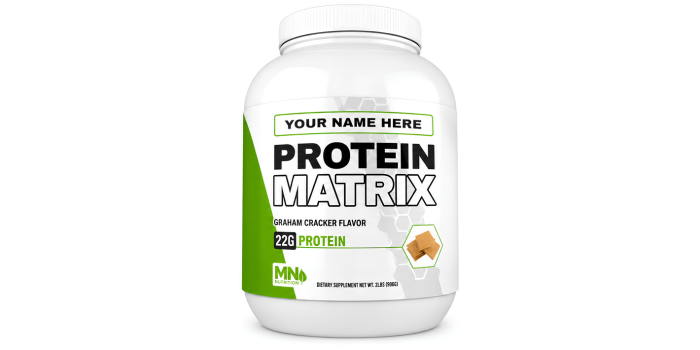
Packaging and labels are the parts customers touch first. At this stage you finalize the container, closure, any seals or desiccants, and the label artwork. Strong supplement label design balances brand personality with required information, while supplement label printing requires correct dimensions, materials, and proofs before a full run. Both are explored further in the dedicated sections below, along with supplement bottle packaging choices.
A practical rule: finalize packaging and label specifications early, because they affect production scheduling and lead times.
8. Finished Product and Fulfillment
Once production is complete, finished goods need somewhere to go. That can mean shipping pallets to your own warehouse, using a third-party logistics provider, or working with a partner that offers supplement fulfillment services. These services cover receiving inventory, storing it under suitable conditions, picking and packing orders, and shipping to customers.
Plan fulfillment before the product is finished, not after. Inventory has to be received, counted, and stored under appropriate conditions, and your sales channels need to connect to wherever orders will be processed. As order volume grows, this step often determines whether the customer experience stays smooth.
Choosing the Right Supplement Format
There is no universally best format. The right choice depends on your ingredients, your customer, your budget, and your brand. Here is how the five most common formats compare in practice.
Capsules

Capsules are among the most established formats in the industry. A powdered or granular blend is filled into a gelatin or vegetarian shell, which makes dosing precise and masks the taste of many ingredients.
Advantages: Capsules suit a wide range of ingredients, are generally stable, and tend to have lower per-unit complexity than gummies or liquids. Customers are familiar with them, and unflavored formulas do not need sweeteners or flavoring.
Common applications: Vitamins and minerals, botanical extracts, probiotics, amino acids, and general wellness blends.
Considerations: Capsule size limits how much of an ingredient can fit per serving, which may mean taking multiple capsules. Some ingredients are bulky or sticky and do not flow well during filling. Shell material (gelatin versus vegetarian) matters for certain audiences.
Best for: Brands with multi-ingredient formulas or higher dose requirements, and those who want a flexible, cost-conscious format. A private label capsule manufacturer is often a sensible starting point for first-time founders because the format is well understood and many formulas are ready to produce. If your formula needs to be exclusive, a capsule can also be a good candidate for a custom project.
Gummies
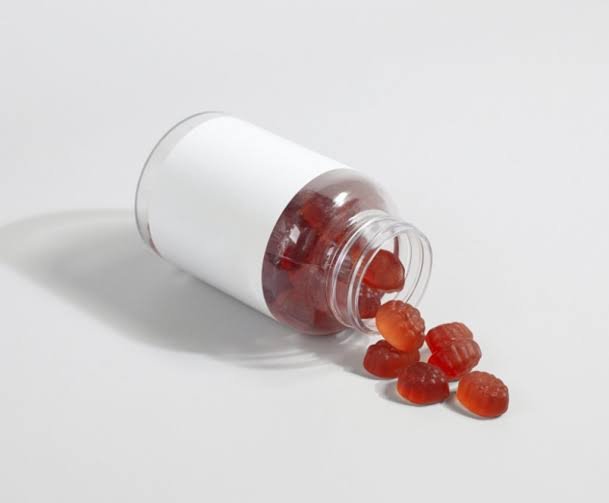
Gummies appeal to customers who dislike swallowing pills, and they often drive strong repeat purchase when the taste and texture are right.
Consumer appeal: Familiar, enjoyable, and easy to take daily.
Flavor and texture: This is where gummies are won or lost. Pectin-based and gelatin-based gummies have different textures, and flavor systems must hide the taste of certain ingredients without adding excessive sugar.
Formulation considerations: Gummies hold less active ingredient per piece than a capsule, and some ingredients degrade during the heating and depositing process or interact with the gummy base. Over-formulating can create a product that is too large or tastes harsh.
Packaging: Gummies are sensitive to heat and humidity, so container choice, closures, and desiccant use deserve attention.
Shelf life: Stability can be more demanding than with capsules. Ask any private label gummy manufacturer how shelf life is assessed and what storage and shipping conditions they recommend, particularly if you will ship in warm climates.
Powders
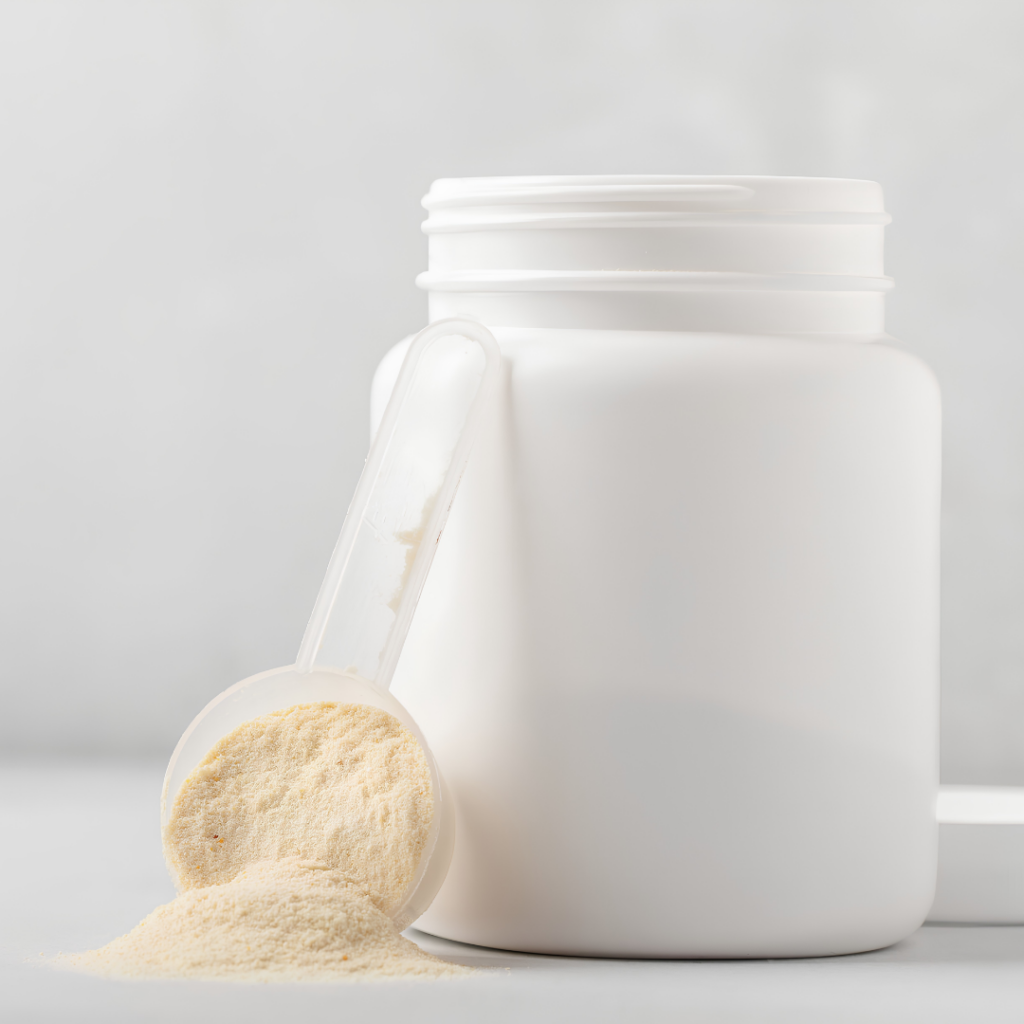
Powders cover everything from protein to greens, hydration blends, and wellness mixes. They allow larger serving sizes, which suits ingredients that would be impractical in capsules.
Protein and wellness products: Powders are a natural fit for protein, fiber, collagen-type products, and multi-ingredient drink mixes.
Flavoring and mixing: Taste, sweetener choice, solubility, and clumping all affect customer experience. A powder that tastes good but settles or clumps will earn poor reviews.
Serving sizes: Define the scoop size and the number of servings per container clearly, then check that the physical scoop matches the label.
Packaging formats: Tubs with scoops, stick packs, pouches, and sachets each suit different use cases. Stick packs support trial sizes and single-serve convenience, while tubs offer value for daily use.
When evaluating private label powder supplements, ask about flavor options, base blends, and whether the flavor system can be adjusted. Powders often have different minimum order structures than capsules, which is covered later in this guide.
Softgels
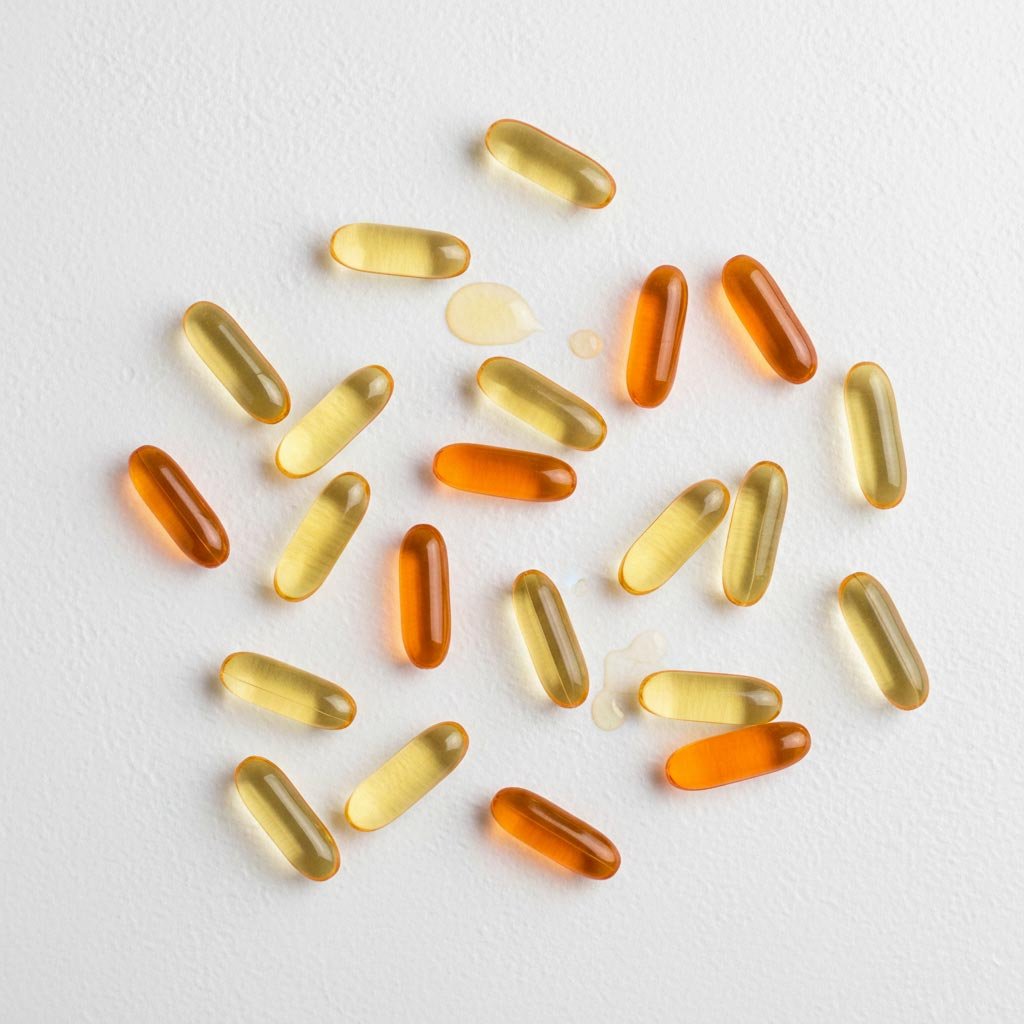
Softgels are a gelatin or plant-based shell surrounding a liquid or semi-liquid fill, commonly an oil or an oil-based suspension.
When brands use them: Softgels are often chosen for oil-based ingredients and for ingredients that benefit from being suspended in a carrier. They are easy to swallow and seal in the contents, which protects against oxidation to some extent.
Ingredient and formulation considerations: Not every ingredient suits an oil-based fill. The shell has to remain compatible with the fill, and moisture and temperature management during production and storage are important. Softgel production is also a specialized process, so confirm that the facility or its partners actually handle it.
A softgel supplement manufacturer should be able to explain fill compatibility, shell options, and stability testing in plain terms. If the answers are vague, treat that as a flag.
Liquid Supplements

Liquids include tinctures, drops, shots, and ready-to-drink formulations. They appeal to customers who prefer something other than pills and who value flexible dosing.
Benefits: Easy to take, adjustable servings, and a range of positioning options from daily wellness to on-the-go shots.
Formulation considerations: Liquids introduce challenges around solubility, preservation, pH, and separation. Some ingredients settle or degrade in water-based systems.
Flavor: Taste is critical, because liquids are tasted directly. Bitter or earthy ingredients are harder to mask.
Packaging: Dropper bottles, dosing caps, and pouches each have different cost and usability profiles.
Stability and shelf life: Water activity and preservation systems need careful design. Ask a liquid supplement manufacturer how stability is tested and how long the product can be expected to remain suitable under typical storage conditions.
Format Comparison
| Format | Advantages | Considerations | Ideal Applications |
| Capsules | Precise dosing; broad ingredient compatibility; generally stable | Capsule size limits dose per serving; shell choice matters | Multi-ingredient blends, botanicals, vitamins and minerals |
| Gummies | Strong consumer appeal; easy to take | Lower active load per piece; sensitive to heat and humidity; flavor and texture challenges | Daily wellness, consumers who avoid pills |
| Powders | Larger serving sizes; flexible flavors and formats | Mixing, taste, and clumping; scoop accuracy | Protein, greens, hydration, wellness mixes |
| Softgels | Good for oil-based ingredients; easy to swallow | Specialized production; fill and shell compatibility | Oils, fat-soluble ingredients |
| Liquids | Flexible dosing; no pills | Stability, preservation, flavor masking | Drops, shots, tinctures, ready-to-drink |
Supplement Label Design and Label Printing
A supplement label does two jobs at once. It has to persuade a shopper in a few seconds, and it has to carry information that is often regulated. Treating supplement label design as a purely creative exercise is one of the most common reasons launches slip.
What a label typically needs to communicate:
- Product identity. The product name and a statement of what the product is (for example, a dietary supplement).
- Serving information. Serving size and servings per container.
- Ingredient information. Active ingredients with amounts per serving, plus other ingredients such as fillers, flavors, sweeteners, or capsule shell materials.
- Net quantity. The amount of product in the container, expressed in the units your market requires.
- Directions. How and when to take the product.
- Warnings. Cautions, allergen statements, and notes about who should consult a healthcare professional, where applicable.
- Manufacturer or distributor information. Name and contact details of the responsible company.
- Required regulatory statements. For example, certain claim disclaimers or panel formats.
A key point: labeling requirements depend on the market where the product will be sold. Rules in the United States differ from those in Canada, the European Union, the United Kingdom, India, Australia, and elsewhere, covering everything from panel format to permitted claims and mandatory language. Do not assume one label works everywhere. Confirm requirements for each target market, and consider a regulatory review before you commit to artwork. For US-market products, the FDA’s dietary supplement labeling guidance is a good starting reference: https://www.fda.gov/food/dietary-supplements.
Good supplement label design starts with a template from your manufacturer or printer showing the exact dimensions, bleed, and seam placement for your container. Design within those limits from the first draft. Typography matters more than many founders expect: the Supplement Facts panel and warnings must remain readable at actual print size, not just on a monitor.
Supplement label printing brings its own decisions:
- Material. Paper, white or clear film, and waterproof or oil-resistant stocks behave differently on different bottles and in different storage conditions.
- Finish. Matte, gloss, soft-touch, or foil accents affect cost and perception.
- Adhesive. It needs to hold on the container material and survive humidity, handling, and shipping.
- Proofing. Review a physical or digital proof, and check that colors, panel text, and barcodes are correct before a full run.
- Label application. Confirm whether the manufacturer applies labels, and what tolerances they work to.
If your manufacturer also supports supplement label printing, ask how artwork is submitted, how many revisions are included, and how label changes are handled once a batch is scheduled. A late label correction can hold up an entire production run.
Choosing Supplement Bottle Packaging
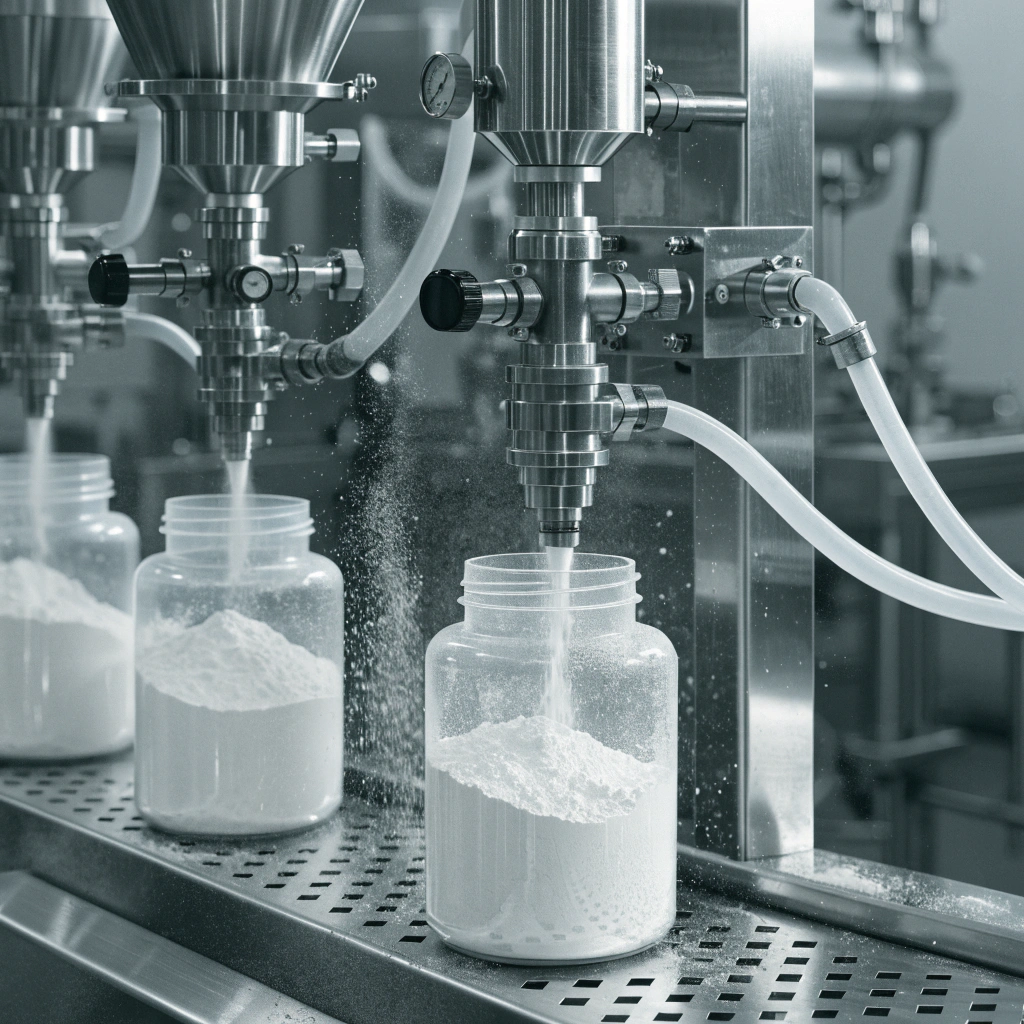
Supplement bottle packaging is more than a container. It protects the product, communicates your brand, and shapes the first physical experience a customer has with you. The best choice depends on the product format, stability needs, brand positioning, and intended market.
Bottle materials. Common choices include HDPE and PET plastic, and glass. Plastic is lightweight and cost-effective, which helps with shipping. Glass can signal a premium position and works well for certain liquids, but it is heavier and more fragile. Amber or opaque containers help limit light exposure for sensitive ingredients.
Sizes. Capacity must match the fill volume and the number of servings. A container that looks half-empty frustrates customers, while one that is too tight causes filling problems. Ask your manufacturer for recommended bottle sizes for your specific fill weight, since powder density and capsule counts vary.
Closures. Options include child-resistant caps, tamper-evident seals, induction seals, and dropper or pump closures. Requirements for child-resistant packaging vary by market and ingredient, so confirm what applies to you.
Compatibility and product protection. Moisture, oxygen, and light can degrade some products. Desiccant packets, oxygen absorbers, and induction seals are common tools. Gummies, probiotics, and softgels often need particular attention, and liquids need closures that do not leak or react with the formula.
Branding and consumer experience. Shape, color, and label surface all contribute to shelf presence. Consider how easy the bottle is to open, how the scoop or dropper works, and whether the package communicates the right tone.
Shipping considerations. If you sell online, bottles need to survive parcel handling. Lightweight, durable packaging usually lowers shipping cost and reduces breakage.
One budgeting reminder: supplement bottle packaging is frequently underestimated. Bottles, caps, seals, inserts, shrink bands, labels, and shipper cartons add up, and minimum purchase quantities for custom packaging can be substantial.
What Is a Bulk Supplement Manufacturer?
A bulk supplement manufacturer produces larger quantities of product per production run, often at a lower cost per unit than small batches. Bulk can mean finished, labeled bottles in large quantities, or it can mean bulk product such as loose capsules, powder, or gummies that are later packaged elsewhere.
Brands usually look for a bulk supplement manufacturer when they have validated demand and want better unit economics, when they are supplying retail or wholesale accounts, or when they want to avoid frequent reorders for a fast-selling product.
Advantages of bulk production
- Lower cost per unit, since setup, raw material purchasing, and production time are spread across more product
- Fewer production runs, which means fewer reorder cycles and less administrative effort
- More predictable pricing and supply for established products
- Greater consistency across large inventory pools
What to plan for
Larger runs tie up cash, take up storage space, and expose you to expiration risk if sales are slower than forecast. Shelf life, minimum order quantities, warehouse costs, and your ability to sell through inventory all belong in the calculation. A bulk supplement manufacturer that also offers storage or fulfillment can simplify things, but be sure to understand the fees involved.
Planning production more efficiently
Growing brands often do better with a staged approach: start with a smaller first run, learn how quickly the product sells, then increase order sizes as forecasts become reliable. Ask about blanket purchase agreements or scheduled releases, where you commit to a larger volume but take delivery in phases.
Supplement Fulfillment Services Explained
Manufacturing and fulfillment are different jobs. Manufacturing creates the finished product. Fulfillment gets that product into customers’ hands. Some companies handle both; many brands use separate providers for each.
Supplement fulfillment services generally include:
- Inventory receiving. Checking in pallets or cartons, verifying counts and lot numbers, and recording expiry dates.
- Warehousing. Storing product under suitable temperature and humidity conditions, which matters for gummies, probiotics, and liquids.
- Pick and pack. Selecting items for each order and packing them securely.
- Order processing. Receiving orders from your sales channels and routing them for shipment.
- Shipping. Carrier selection, labels, tracking, and returns handling.
- Inventory management. Stock visibility, low-stock alerts, and lot or expiry tracking.
- Ecommerce integration. Connections to platforms such as Shopify or Amazon, where available.
Fulfillment becomes important as volume grows. Packing a few orders yourself may work in the first month. Once you are shipping dozens or hundreds of orders per week, speed, accuracy, and shipping costs start to affect repeat purchase and margins directly. If you are comparing providers, look into how they handle lot tracking and expiry dates, since these are important for supplements. You can learn more about our approach on the [Internal Link: Supplement Fulfillment] page.
How Much Does Supplement Manufacturing Cost?
There is no single price for supplement manufacturing, and any quote that ignores your specifics should be treated with caution. Costs depend on many variables, and understanding them is the best way to compare proposals fairly.
- Formula complexity. More ingredients, more handling steps, and tighter specifications raise cost.
- Ingredients and dosages. Premium ingredient forms and higher doses cost more. Some raw materials fluctuate in price.
- Product format. Gummies, softgels, and liquids involve different equipment and process requirements than capsules or powders.
- Quantity and MOQ. Larger runs typically lower the cost per unit.
- Packaging. Bottles, closures, desiccants, seals, and cartons contribute directly to unit cost.
- Labeling. Design, printing materials, and application all play a part.
- Testing. Raw material and finished product testing add cost but protect your brand.
- Custom formulation. Custom supplement formulation services involve development time, sampling, and sometimes stability work that private-label products do not require.
- Freight and shipping. Raw materials, packaging, and finished goods all have to move.
- Fulfillment and storage. Warehousing, pick and pack, and shipping fees continue after production.
- Production volume. Overall volume affects pricing across your relationship, not just on one order.
This explains why two seemingly similar products can have very different manufacturing costs. Two vitamin C capsules may look identical on a shelf, but one uses a standard ingredient form in a stock bottle while the other uses a premium form, a custom bottle with induction seal, additional testing, and a more detailed label. The unit cost reflects those choices.
When requesting quotes, ask for itemized pricing so you can see what is included and what is extra.
Minimum Order Quantities (MOQs)
A minimum order quantity is the smallest production run a manufacturer will accept for a given product. It is not arbitrary. Setting up equipment, cleaning between products, sourcing raw materials in practical quantities, and documenting a batch all take effort that does not scale down with batch size.
MOQs often differ by format. Capsules, gummies, powders, softgels, and liquids use different equipment and have different practical batch sizes, so a manufacturer may have different thresholds for each. Custom products may carry different minimums than private-label items, and packaging suppliers may set their own minimums, which can influence your overall order.
For smaller brands, the key issue is cash flow and inventory. A larger minimum may lower the unit cost, but it also commits more capital and requires you to sell through more product before the shelf life runs out. When evaluating private label powder supplements or any other format, run the numbers on how long it would take to sell the minimum and whether the product will still be well within its shelf life.
Larger orders can improve unit economics, but they are not automatically the right choice. Compare the savings against the cost of holding inventory, the risk of formula changes, and your sales forecast.
Questions worth asking about MOQs:
- What is the minimum for this specific product and format?
- Does the minimum change with packaging or flavor choices?
- Is there flexibility for a first run or a trial batch?
- Are there price breaks at higher quantities?
- Can larger orders be split into scheduled deliveries?
How Long Does Supplement Manufacturing Take?
Timelines depend on the product and on how quickly decisions are made. Promises of a fixed turnaround should be treated carefully, because several stages are outside the manufacturer’s control.
Private-label products generally move faster. The formula already exists, so the main stages are product selection, sample review where applicable, packaging selection, label approval, production scheduling, production, testing, and shipping or fulfillment setup.
Custom formulations add steps: formulation development, sampling, revisions, formula approval, and sometimes stability considerations, before production can begin.
Stages that commonly affect timelines:
- Product selection or concept. Indecision here delays everything.
- Custom formulation and sampling. Multiple revision rounds are normal.
- Formula approval. The sooner you give clear sign-off, the sooner production can be scheduled.
- Ingredient sourcing. Specialty or imported ingredients can take longer to arrive.
- Packaging. Bottles and closures, especially custom ones, may have their own lead times.
- Label approval. Artwork revisions, regulatory review, and supplement label printing all take time.
- Production scheduling and production. Manufacturers book runs in sequence.
- Testing. Finished-product testing can add days or weeks, depending on the tests.
- Fulfillment. Receiving, setting up inventory, and connecting sales channels need to be ready before launch.
Ask for a written timeline with dependencies, and note which items you control. Most delays are caused by late artwork, slow approvals, or packaging that was ordered after the formula was finalized.
How to Choose the Right Supplement Manufacturer
Price matters, but it is rarely the deciding factor for brands that have been through a bad launch. A lower quote can become expensive if quality problems, delays, or hidden costs appear later. Here is a practical checklist.
- Manufacturing capabilities and product formats. Does the company produce the format you need? A private label capsule manufacturer, a softgel supplement manufacturer, and a liquid supplement manufacturer each need different equipment and expertise. Be wary of anyone who claims to do everything without being able to explain how.
- Quality systems and testing. Ask what quality standards the facility follows, how batches are documented, and what testing is performed.
- Ingredient sourcing. Look for supplier qualification processes and the ability to provide certificates of analysis.
- Certifications. Ask which certifications the facility holds, and request documentation. Do not rely on logos on a website.
- Capacity and MOQ flexibility. Can they handle your first run and your growth?
- Packaging and label support. Do they help with bottle selection, supplement label design guidance, or label application?
- Fulfillment. Do they offer storage and shipping, or can they work with your logistics provider?
- Communication and transparency. Response times, clear answers, and willingness to share documentation are strong signals.
- Scalability. Can they grow with you, including into bulk runs?
A partner who answers hard questions plainly during the sales process is usually the same partner who communicates well during production problems.
Questions to Ask a Supplement Manufacturer Before You Start
Use these as a working list during calls and request-for-quote conversations.
Formulation
- Do you offer both private-label formulas and custom formulation?
- Who develops custom formulas, and what is their experience with my format?
- How many sample rounds are included?
Ingredients
- Where do key ingredients come from, and how are suppliers qualified?
- Can I see ingredient specifications and certificates of analysis?
Testing and quality control
- What tests do you run on raw materials, in-process, and on finished goods?
- What documentation will I receive with each batch?
- How are out-of-specification results handled?
Certifications and documentation
- Which certifications does the facility hold, and can I see current documentation?
- Can you support customer audits or questionnaires?
MOQs, timelines, and scaling
- What is the minimum order for my product and format?
- What is a realistic timeline from approval to delivery?
- How do you handle repeat orders and capacity increases?
Packaging and labeling
- What bottle and closure options do you stock?
- Do you provide label templates, and how are label proofs approved?
- Who handles label application?
Fulfillment, storage, and shipping
- Do you offer storage or fulfillment, and what are the fees?
- How is inventory stored, and for how long?
- What shipping options are available?
Communication
- Who will be my day-to-day contact?
- How do you communicate delays or changes?
Common Supplement Manufacturing Mistakes to Avoid
Choosing a manufacturer based only on price. The lowest quote may leave out testing, packaging, or support. The result can be quality issues or unexpected charges. Compare itemized proposals and evaluate quality systems alongside cost.
Ignoring MOQs. A minimum that exceeds your demand ties up cash and risks expired inventory. Understand the minimum before you design your launch, and negotiate a smaller first run if you can.
Underestimating packaging costs. Custom bottles, closures, and seals can add significantly to unit cost. Get supplement bottle packaging quotes early and include them in your margin model.
Failing to plan inventory. Running out of stock stalls growth, while over-ordering strains cash. Build a simple forecast and set reorder points that account for production lead times.
Treating labeling as an afterthought. Late label changes can delay production. Begin supplement label design while the formula is in development, and confirm regulatory requirements for your market before finalizing artwork.
Choosing ingredients without understanding formulation requirements. An ingredient that sounds appealing may be unstable, unpalatable, or impractical in your chosen format. Ask the formulator to explain trade-offs before you commit.
Not requesting samples. Approving a product without tasting, mixing, or inspecting it invites disappointment. Always review samples and approve the final version in writing.
Ignoring quality and testing processes. Skipping questions about testing may feel harmless until a batch issue occurs. Ask for documentation and understand how problems are handled.
Failing to plan for scale. A manufacturer that suits a first run may not handle growth. Ask about capacity, bulk runs, and format expansion early.
Not understanding fulfillment requirements. Shipping from a spare room works for a few orders, not for hundreds. Evaluate supplement fulfillment services before demand surges, including lot tracking and storage conditions.
How Growing Supplement Brands Can Scale Manufacturing
Scaling is less about producing more and more about producing predictably. These practices help.
Forecast demand. Use sales history, seasonality, and marketing plans to estimate volume. Share forecasts with your manufacturer so capacity and raw materials can be planned.
Increase production volumes gradually. Move from smaller runs to larger ones as confidence grows. When volumes justify it, a bulk supplement manufacturer relationship can reduce unit costs and simplify reordering.
Manage inventory. Track sell-through, expiry dates, and reorder timing. Aim for enough stock to avoid stockouts without overcommitting.
Improve unit economics. Review ingredient costs, packaging, and freight each time you reorder. Small changes, like standardizing bottle sizes, add up.
Expand product lines and formats. Once a core product works, consider related products or new formats. A brand with capsules might add a gummy or powder, working with a private label gummy manufacturer or a supplier of private label powder supplements to reach different customers.
Streamline packaging. Reduce the number of unique components across products where possible. Shared bottles and closures simplify purchasing.
Use fulfillment services. Outsourcing storage and shipping frees you to focus on marketing and product development.
Maintain quality while scaling. Keep specifications, approved samples, and batch documentation consistent. Ask how the manufacturer maintains consistency across larger volumes.
Build a long-term relationship. Manufacturers prioritize customers they know and trust. Regular communication, reliable forecasts, and timely approvals tend to be repaid with flexibility.
From Product Idea to Market-Ready Supplement
Use this as a first-launch checklist.
- Define the product: customer, positioning, serving size, and claims you plan to make.
- Select private label or custom formulation: based on budget, timeline, and need for exclusivity.
- Choose the format: capsule, gummy, powder, softgel, or liquid.
- Develop or approve the formula: review the full ingredient panel and amounts.
- Source ingredients: confirm quality, specifications, and availability.
- Approve samples: assess taste, texture, appearance, and performance; approve in writing.
- Finalize packaging: bottle, closure, seals, and shipping materials.
- Finalize labels: complete artwork, regulatory review for your market, and print proofs.
- Manufacture: confirm schedule, quantities, and specifications.
- Test and quality-check: review batch documentation and test results.
- Package: confirm labeling and packaging accuracy.
- Store and fulfill: receive inventory and set up order processing.
- Launch: begin sales and gather customer feedback.
- Reorder and scale: forecast demand, plan reorders, and consider new formats or larger runs.
Why Work With The Pure Nutra Labs?
The Pure Nutra Labs works with brands that want to develop and produce supplements without building their own manufacturing operation. Based on the services outlined on our site, we support private-label supplements, custom formulation, packaging, labeling, and fulfillment. [VERIFY WITH PURE NUTRA LABS: confirm the exact list of services, formats, and capabilities before publishing.]
For brands exploring a private label supplement manufacturer, the practical advantages of working with a single partner across several stages include fewer handoffs, clearer communication, and a more coordinated timeline. Where the manufacturing, packaging, and labeling conversations happen in the same place, it is easier to catch problems, such as a label that does not fit the bottle, before they delay production.
Certifications, facility details, quality testing procedures, minimum order quantities, and production timelines should be confirmed directly. [VERIFY WITH PURE NUTRA LABS: certifications, facility information, testing procedures, MOQs, and lead times.] We encourage prospective customers to ask the questions in this guide and to request documentation.
To see how a project might work, visit our [Internal Link: Supplement Manufacturing] page or [Internal Link: Private Label Supplements] overview.
Conclusion
Choosing a manufacturing partner is a long-term decision. Before you sign anything, settle a few things: whether private label or custom formulation fits your goals, which format best serves your customer, how much inventory you can responsibly finance, and where your product will be sold, since that shapes labeling and packaging rules.
Then evaluate partners on the factors that outlast the first order: quality systems, transparency, communication, and the ability to grow with you. A manufacturer who explains trade-offs honestly and documents their work is usually a better long-term fit than the lowest bidder.
The brands that scale smoothly tend to treat manufacturing as a relationship rather than a transaction. If you are ready to explore what that could look like for your product, the team at The Pure Nutra Labs is available to talk through your concept, format, and goals.
FAQ
- What is a private-label supplement manufacturer?
A private label supplement manufacturer produces supplements using pre-developed formulas that brands can sell under their own name. The manufacturer handles production, and often supports packaging and labeling, while the brand handles marketing and sales.
- What is the difference between private-label and custom supplements?
Private-label products use an existing formula, which is faster and generally less expensive to launch. Custom supplements are developed specifically for your brand, offering greater control and differentiation, but usually requiring more time and investment.
- How do I choose a supplement manufacturer?
Evaluate format capabilities, quality systems, testing, certifications, capacity, MOQ flexibility, packaging and label support, communication, and scalability. Request documentation and samples rather than relying on claims.
- What is the minimum order quantity for supplements?
It varies by manufacturer, format, and whether the product is private-label or custom. Ask for the specific minimum for your product, and check whether packaging suppliers set their own minimums. [VERIFY WITH PURE NUTRA LABS for company-specific MOQs.]
- How long does supplement manufacturing take?
Timelines depend on whether the formula is private-label or custom, how quickly samples and labels are approved, ingredient and packaging lead times, production scheduling, and testing. Request a written timeline from your manufacturer.
- Can supplement manufacturers help with packaging?
Many can. Support often includes bottle and closure selection, label guidance, and label application. Confirm what is included, and whether supplement bottle packaging and label printing are handled in-house or through partners.
- What is supplement fulfillment?
Supplement fulfillment services cover receiving and storing finished inventory, picking and packing orders, and shipping them to customers. Fulfillment is separate from manufacturing, though some providers offer both.
- Can a manufacturer produce capsules, gummies, powders, softgels, and liquids?
Some can, but each format uses different equipment and expertise. You may find a private label capsule manufacturer, a private label gummy manufacturer, a softgel supplement manufacturer, or a liquid supplement manufacturer that specializes in one or two formats. Ask which formats are produced in-house. [VERIFY WITH PURE NUTRA LABS for current format capabilities.]
- How much does it cost to manufacture supplements?
Cost depends on formula complexity, ingredients, dosage, format, quantity, packaging, labeling, testing, freight, and fulfillment. Request itemized quotes to compare proposals fairly.
- What should I ask a supplement manufacturer before placing an order?
Ask about formulation support, ingredient sourcing, testing, certifications, MOQs, timelines, packaging and labeling support, fulfillment, storage, shipping, scaling, and communication. Use the checklist earlier in this guide.