

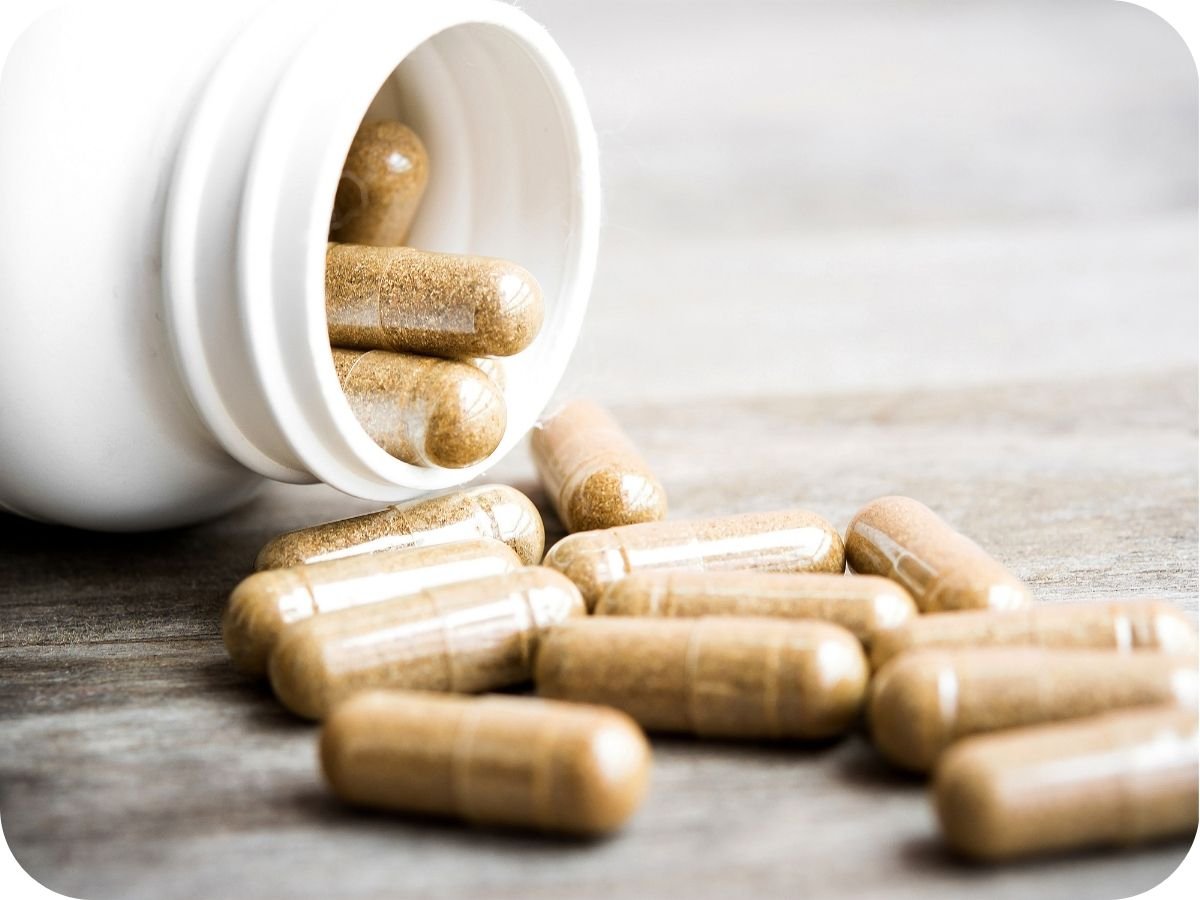
The capsule supplement industry in 2026 is sort of undergoing a structural shift, mostly because consumers are asking for transparency a lot more, regulators are tightening up, and D2C health brands are rising. Nowadays, brands are not really competing only on formulation; they’re also competing on trust, speed, and manufacturing intelligence, too. So yeah, the role of a capsule supplement manufacturer, and specifically a private label capsule manufacturer, feels way more strategic than it used to.
Modern consumers are actively reading labels, asking where ingredients come from, and they seem to want products that are effective but also easy to understand, not all that mystery stuff. Because of that, manufacturers are being pushed toward cleaner production systems, flexible customization models, and faster production cycles, which helps brands get to the market quicker than ever before.
Clean Label Manufacturing Becomes the Industry Standard

As we are nearing 2026, clean label is now considered more than just a marketing claim; it is expected as a baseline for consumers in the form of using supplements. Consumers are also looking for supplements as having the least amount of excipients possible, clear and transparent sourcing of all ingredients used in the product.
The methodology behind clean-label capsule production includes:
1. The elimination of artificial colors, preservatives, and unnecessary fillers in your capsules
2. The use of plant-based capsule shells, such as HPMC or pullulan
3. Non-GMO, vegan, and allergen-friendly formulations
4. Full traceability from raw materials (the first step) to finished products (the final step)
The trends in industry show that clean-label formulations result directly in more consumer trust and higher conversion rates, and any brand that cannot meet this expectation will see a much lower level of customer retention and less retail acceptance.
Manufacturers are evolving to meet the above expectations by integrating advanced testing systems for all products produced, completing batch-level documentation for each product produced, and putting a compliance framework in place that aligns with global certification standards such as GMP and ISO.
Rise of Customization in Capsule Supplement Manufacturing
Competitive supplement markets have seen the rise of Generic formulations. Companies require additional customized capsule solutions that align with their specific market positioning and brand needs.
Key elements of customized formulations include:
-Varied amounts and types of ingredients in the form of ingredient combinations
-Different herbal and nutraceutical combinations
-Different capsule sizes, colors, and disintegration rates
-Vegan and gelatin-free options along with allergen-specific formulation
-Functional branding objective, such as developing products that provide immune support, cognitive support, metabolic support, or stress support
Today’s capsule supplement manufacturer is expected/required to be more than just a manufacturer; they should be an R&D partner who also offers formulation support via stability testing and assistance in finding compliance with industry-related standards.
Packages/brands are now expected to provide start-up companies and direct-to-consumer (D2C) companies an option to distinguish themselves in crowded markets without having a large amount of up-front investment.
Private Label Capsule Manufacturing Driving Faster Market Entry
Speed to market is increasingly important in the dietary supplement industry. As competition grows in Amazon, Shopify, and retail channels, companies are making it a priority to get their products to market more quickly than ever.
Many private label capsule suppliers are creating this acceleration, as they provide:
-Ready to go formats that can go straight to retail
-Set low minimum order quantities to allow startups to enter the marketplace
-Providing white-label package and branding design assistance
-Accommodating rapid turnaround on regulatory documentation
-Providing quicker production cycles than traditional manufacturing models
By 2026, leading manufacturers will drastically decrease launch time by adopting modular production systems and prevalidated ingredient libraries, allowing companies to rapidly test products, validate their need, and quickly increase their production if the need exists.
Technology, Compliance & Quality Control Advancements

The growth of modern capsule production processes has been shaped by the impact of pharmaceutical quality systems. No longer is quality assurance restricted only to testing after the product has been produced – quality assurance is now incorporated into every step of the process during manufacturing.
Examples of new technologies used include:
- Real-time batch monitoring with digital quality tracking;
- Multi-phase testing for potency, microbial, and heavy metals;
- Automated encapsulation and precision dosing systems;
- Stability testing methods adhere to various regulatory requirements for worldwide distribution.
With the increase in retailer and online sales platforms requiring quality compliance documentation (GMP, Third-Party Certifications, and Ingredient Traceability), manufacturers unable to supply evidence of compliance will be excluded from many opportunities for sales (including globally or on e-commerce platforms).
Sustainability and Plant-Based Innovation
Consumer demands and manufacturing infrastructure are being molded by sustainability. We are seeing an increase in the use of environmentally healthy materials and processes in capsule production.
Some of the key trends in capsule manufacturing include:
- Plant-based capsule shells are taking the place of gelatin
- Less plastic packaging and the use of recyclable materials
- Increased use of cleaner production techniques that produce fewer negative effects on the environment
- Herbal and botanical ingredients sourced ethically
These changes are not only made for environmental reasons, but they are also made as a commercial strategy because sustainability is affecting how consumers perceive brands and what they choose to buy from them.
Conclusion
The landscape of capsule supplement production in 2026 will center around three key principles: clean-label authenticity, extensive customization, and speedy market entry. Brands that forge partnerships with innovative manufacturing firms will be more capable of thriving in the competitive health sector.
As consumer demands keep growing, the responsibilities of a capsule supplement manufacturer and a private label capsule manufacturer will evolve. They will focus not only on manufacturing but also on formulation strategies, ensuring compliance, and helping to accelerate brand growth.
If you’re interested in finding dependable manufacturing partners and scalable supplement options, check out: The Pure Nutra Labs.