
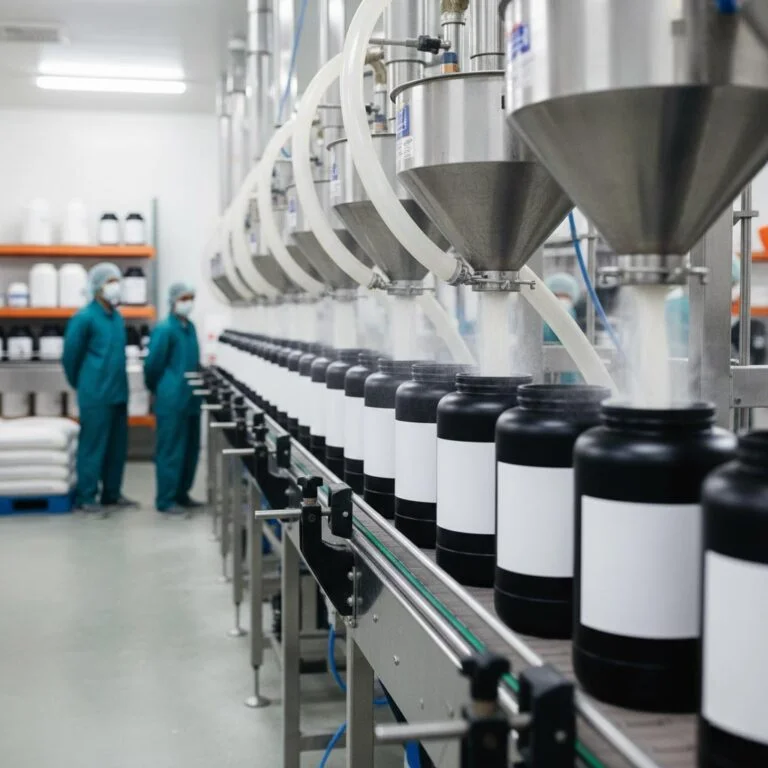
The U.S. dietary supplement market reached USD 109.96 billion in 2025 and is projected to grow to USD 115.68 billion in 2026 at a 5.2% CAGR through 2035, driven by health trends and preventive care.
Manufacturing in the USA ensures compliance with stringent FDA regulations, superior quality, and consumer trust. This guide covers supplement manufacturing services, custom supplement formulation services, and more, drawing from FDA data, industry standards, and certified partners—including working with a reliable powder supplement manufacturer for scalable product lines.
Key Market Insights
- 74% of U.S. adults use dietary supplements (CRN, 2023)
https://qualitymatters.usp.org/navigating-trending-supplements
- Global nutraceutical market expected to surpass USD 600B by 2030
https://www.kenresearch.com/industry-reports/global-nutraceutical-market
- Increasing demand for bulk supplement suppliers to support scaling brands
Why Supplement Manufacturing in the USA Matters
Ensures High-Quality Standards and Safety
The U.S. supplement industry is regulated under the Dietary Supplement Health and Education Act (DSHEA) of 1994, enforced by the FDA. Manufacturers must comply with Current Good Manufacturing Practices (cGMP) regulations (21 CFR Part 111).
These regulations ensure:
- Identity, purity, strength, and composition of supplements
- Proper documentation and batch control
- Sanitation and contamination prevention
FDA compliance details:
https://www.fda.gov/food/dietary-supplements
Builds Trust with Consumers and Retailers
According to a 2023 survey by the Council for Responsible Nutrition:
- 74% of U.S. adults use dietary supplements
- Consumers increasingly prefer transparent, USA-manufactured products
Source: https://www.crnusa.org/newsroom/three-quarters-americans-take-dietary-supplements-most-users-agree-they-are-essential
Retailers like Amazon and Walmart also prioritize:
- FDA-compliant products
- Third-party tested supplements
What is Custom Supplement Formulation?
Creating Unique Formulas Tailored to Your Brand
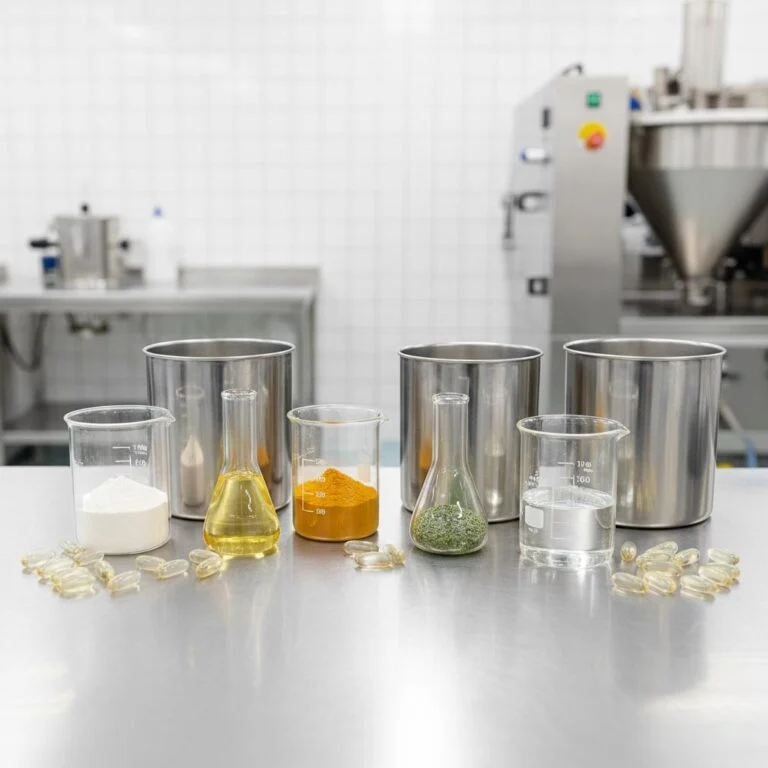
Custom supplement formulation services involve R&D labs developing proprietary blends using client specs, from nootropics to immunity boosters. Unlike off-the-shelf, it starts with your vision—e.g., combining ashwagandha with L-theanine for stress relief. Pure Nutra Labs offers this end-to-end, from concept to scale.
Helps Differentiate Your Product in the Market
In today’s highly competitive nutraceutical industry, standing out is essential. Custom formulations provide a strategic advantage by allowing brands to move beyond generic offerings.
Key benefits include:
- Unique ingredient combinations that are not easily replicated
- Branded formulations that strengthen identity and customer loyalty
- Opportunities for intellectual property, including proprietary blends or patentable innovations
Ultimately, custom supplement formulation enables businesses to build a distinctive product portfolio, enhance perceived value, and establish long-term brand credibility.
Benefits of Custom vs Private Label Supplements
Custom solutions are particularly valuable when working with a powder supplement manufacturer, as powders allow flexible ingredient combinations and dosage customization.
Flexibility in Ingredients and Branding
Select bioavailable forms like liposomal vitamin C.
Greater Control Over Product Positioning
Own your science-backed claims.
Ingredient Selection & Sourcing Process
High-quality sourcing is critical when working with bulk supplement suppliers.
Choosing High-Quality, Effective Ingredients
Ingredient sourcing is critical in bulk supplement manufacturing. Manufacturers typically source from:
- Certified global suppliers
- GMP-compliant facilities
- USDA Organic or Non-GMO certified sources
Ensuring Transparency and Traceability
Modern consumers demand transparency. Key practices include:
- Certificate of Analysis (COA)
- Supply chain traceability
- Allergen and contaminant testing
Research & Development in Supplement Manufacturing
Testing Formulas for Safety and Effectiveness
Research and development (R&D) is a critical phase in health supplement manufacturing, ensuring that products are safe, effective, and compliant with regulatory standards before reaching the market. In the United States, manufacturers must follow Current Good Manufacturing Practices (cGMP) under FDA regulation (21 CFR Part 111), which requires thorough testing and documentation throughout the development process.
R&D typically includes:
- Stability testing – Determines how a supplement maintains its quality, potency, and safety over time under different environmental conditions. The FDA requires stability data to support expiration dates.
- Bioavailability testing – Evaluates how efficiently active ingredients are absorbed and utilized by the body. Studies show that bioavailability can significantly impact supplement effectiveness, especially for nutrients like curcumin, magnesium, and vitamin D.
- Shelf-life validation – Ensures that the product retains its labeled potency until the end of its shelf life. According to the U.S. Pharmacopeia (USP), manufacturers must verify that ingredients remain within acceptable limits throughout the product lifecycle.
These testing protocols are essential for maintaining product integrity, meeting regulatory requirements, and building consumer trust.
Refining Products Before Mass Production
Before scaling into full bulk supplement manufacturing, companies develop pilot batches—small-scale production runs used to refine and optimize the final product.
Pilot production helps to:
- Validate taste, texture, and sensory attributes – especially important for powders, gummies, and liquid supplements where consumer experience directly impacts repeat purchases
- Adjust dosage and formulation accuracy – ensuring each serving delivers consistent and precise nutrient levels
- Ensure scalability and manufacturing efficiency – confirming that the formulation can be produced at large volumes without compromising quality
According to industry best practices, pilot testing reduces the risk of production errors and costly recalls, which the FDA reports can result from formulation inconsistencies or labeling inaccuracies.
Types of Supplement Formats Available
Popular formats from bulk supplement suppliers include:
- Capsules (gelatin/vegan): Precise dosing, 14.7% market share (Sep 2024).
- Tablets: Compressed, cost-effective.
- Powders: Versatile for proteins/greens.
- Gummies: Vitamin/CBD, 18.9% share, 74% US users prefer over pills.
https://chaindrugreview.com/gummies-are-now-the-preferred-supplement-for-most-americans
- Liquids: Tinctures/syrups, fast absorption.
Selecting the Right Format for Your Audience
Capsules lead in reliability; gummies grow fastest at 9.5-14.4% CAGR to $27-48B by 2034, driven by taste/convenience. Match to demographics: gummies for kids/adults, capsules for pros.
https://www.gminsights.com/industry-analysis/gummy-supplements-market
Choosing the Right Dosage Form
Selecting the appropriate dosage form is a critical decision in health supplement manufacturing, as it directly impacts product effectiveness, consumer experience, and market success.
Factors Influencing Supplement Delivery Methods
When choosing a supplement format, manufacturers consider:
- Absorption rate – How quickly and efficiently nutrients are absorbed in the body
- Convenience – Ease of use, portability, and daily compliance
- Taste preferences – Especially important for powders, gummies, and liquids
Consumer Preferences and Absorption Rates
Different dosage forms offer distinct advantages:
- Liquids → Fastest absorption
Liquids are absorbed more quickly because they do not require breakdown in the digestive system, making them ideal for rapid nutrient delivery. - Capsules → Balanced option
Capsules provide a combination of convenience, accurate dosing, and relatively efficient absorption, making them one of the most widely used formats. - Tablets → Cost-effective
Tablets are economical to produce and have a longer shelf life, but may dissolve more slowly compared to capsules or liquids.
Label Design Essentials for Supplements
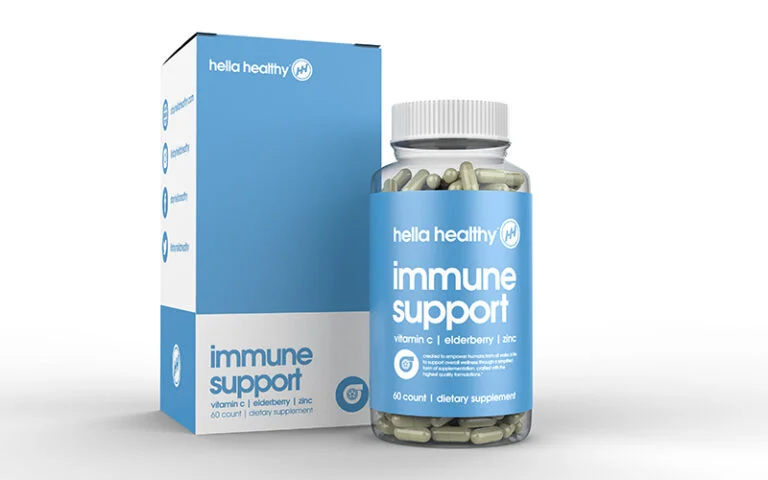
Effective custom packaging labels and bottle label printing play a crucial role in both branding and regulatory compliance. A well-designed label should not only attract attention on shelves or digital platforms but also clearly communicate essential product information to consumers.
Key considerations include:
- High-resolution digital printing to ensure sharp text, accurate colors, and a premium finish
- Clear and truthful presentation of product benefits, avoiding any misleading or unsubstantiated claims
- Inclusion of mandatory elements such as the Supplement Facts panel, ingredient list, and manufacturer or distributor details
Creating Attractive and Informative Labels
Effective custom packaging labels and bottle label printing play a crucial role in both branding and regulatory compliance. A well-designed label should not only attract attention on shelves or digital platforms but also clearly communicate essential product information to consumers.
Key considerations include:
- High-resolution digital printing to ensure sharp text, accurate colors, and a premium finish
- Clear and truthful presentation of product benefits, avoiding any misleading or unsubstantiated claims
- Inclusion of mandatory elements such as the Supplement Facts panel, ingredient list, and manufacturer or distributor details
According to the U.S. Food and Drug Administration (FDA), dietary supplement labels must be truthful, not misleading, and properly formatted to ensure consumer safety and transparency.
Source:https://www.fda.gov/food/dietary-supplements/dietary-supplement-labeling-guide
Balancing Branding with Compliance
While strong branding helps differentiate your product in a competitive market, regulatory compliance remains essential in private label supplement packaging.
Best practices include:
- Using visually appealing but balanced colors that enhance branding without reducing readability
- Ensuring legible font sizes, as FDA guidelines require that mandatory label information must be prominently displayed and easy to read (generally at least 1/16 inch in height, depending on packaging size under 21 CFR 101.2)
- Maintaining proper spacing, layout, and hierarchy for clear information flow
Failure to comply with labeling requirements can lead to FDA warning letters, product recalls, or enforcement actions, impacting both brand reputation and business operations.
FDA Labeling Guidelines You Must Follow
Mandatory Information for Supplement Labels
FDA requires these key elements on dietary supplement labels under 21 CFR 101.36 and DSHEA:
- Statement of Identity: “Dietary Supplement” on the principal display panel.
- Supplement Facts Panel: Serving size, servings per container, amount per serving (% Daily Value where established), full ingredient list (dietary descending by weight, others alphabetical).
- Net Quantity of Contents: e.g., “60 capsules (30 servings)”.
- Manufacturer/Distributor Info: Name, address, phone.
- Disclaimer: “These statements have not been evaluated by the FDA. This product is not intended to diagnose, treat, cure, or prevent any disease” – prominent, near claims.
External Link: Official FDA Dietary Supplement Labeling Guide https://www.fda.gov/food/dietary-supplements-guidance-documents-regulatory-information/dietary-supplement-labeling-guide
Avoiding Legal and Compliance Issues
Failure to meet FDA labeling requirements can lead to serious regulatory consequences that impact both operations and brand credibility.
Common risks of non-compliance include:
- FDA warning letters – issued when labeling violations or misleading claims are identified
- Product recalls – initiated if products are misbranded, contaminated, or incorrectly labeled
According to FDA enforcement data, labeling violations are one of the most frequent causes of warning letters issued to dietary supplement companies.
FDA warning letters database:
https://www.fda.gov/inspections-compliance-enforcement-and-criminal-investigations/compliance-actions-and-activities/warning-letters
Common Labeling Mistakes to Avoid
Incorrect Claims and Missing Information
One of the most common compliance risks in health supplement manufacturing is improper labeling. The FDA strictly prohibits misleading or unverified claims on dietary supplements.
Avoid the following:
- Disease treatment claims (e.g., “cures diabetes” or “treats arthritis”) — these classify the product as a drug under FDA regulations
- Unsupported health claims that lack scientific evidence
According to the FDA, dietary supplements may only use structure/function claims, which describe how a nutrient affects normal body function—not disease treatment.
Design Errors that Impact Credibility
Even if regulatory requirements are met, poor design can reduce consumer trust and sales.
Common mistakes include:
- Poor readability due to small fonts or low contrast
- Overcrowded labels that make information difficult to scan
The FDA emphasizes that required label information must be prominent, legible, and easy to understand.
Packaging Options for Supplement Brands
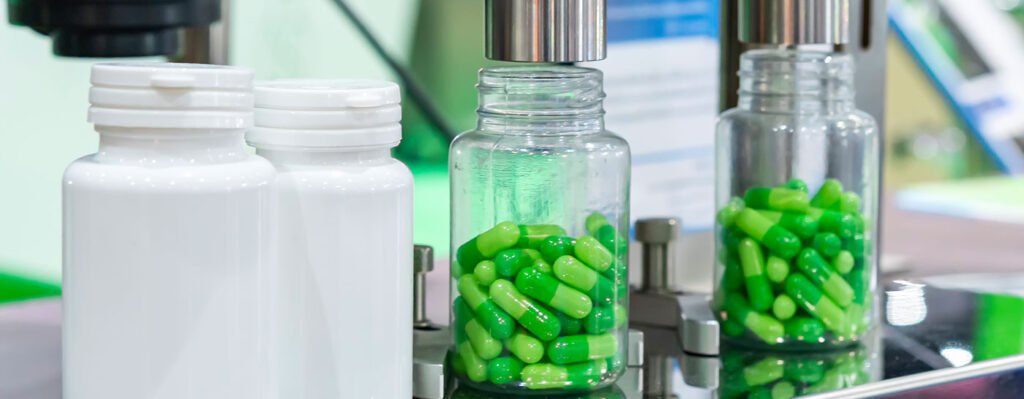
Bottles, Jars, Pouches, and Sachets
Packaging plays a vital role in both protection and branding within private label supplement packaging.
Common packaging formats include:
- HDPE bottles – Lightweight, durable, and widely used for capsules and tablets
- Glass jars – Premium option offering better protection against moisture and oxygen
- Stand-up pouches – Popular for powders due to flexibility and lower shipping cost
- b – Ideal for single-serving and travel-friendly products
According to Smithers, flexible packaging demand is growing due to cost efficiency and sustainability benefits.
Custom Packaging for Brand Identity
Enhancing Brand Recognition Through Packaging
Packaging is often the first interaction a customer has with your product. It directly influences:
- Shelf appeal in retail environments
- Customer perception of quality and trust
A study by Ipsos found that 72% of consumers say packaging design influences their purchasing decisions.
Creating a Premium Customer Experience
Premium packaging elements help brands stand out in competitive markets:
- Matte and soft-touch finishes for a high-end feel
- Embossing and foil stamping for visual differentiation
- Custom bottle label printing to reinforce brand identity
These elements enhance perceived value and improve customer retention.
Sustainable & Eco-Friendly Packaging Solutions
Reducing Environmental Impact
Sustainability is becoming a major priority in supplement manufacturing services.
Key trends include:
- Recyclable plastics (PET, HDPE)
- Biodegradable and compostable materials
- Reduced packaging waste through minimal design
Appealing to Eco-Conscious Consumers
Consumer demand for sustainable products continues to rise.
According to Nielsen:
- 73% of global consumers say they would change their consumption habits to reduce environmental impact
Quality Control & GMP Certification
Ensuring Consistent Product Quality
Good Manufacturing Practices (GMP) are mandatory for dietary supplement manufacturers in the U.S.
GMP certification ensures:
- Batch-to-batch consistency
- Proper documentation and traceability
- Quality assurance across production
Following Strict Manufacturing Standards
All health supplement manufacturing facilities must:
- Maintain Standard Operating Procedures (SOPs)
- Conduct regular internal and external audits
- Ensure cleanliness and contamination control
Non-compliance can lead to warning letters or shutdowns.
Third-Party Testing & Product Verification
Verifying Purity, Potency, and Safety
Independent testing is critical for ensuring product integrity.
Third-party labs test for:
- Heavy metals (lead, mercury, arsenic)
- Microbial contamination (bacteria, yeast, mold)
- Ingredient potency and label accuracy
The U.S. Pharmacopeia (USP) emphasizes verification to ensure supplements meet quality standards.
Building Trust with Certifications
Recognized certifications include:
- NSF International – Verifies product safety and label accuracy
- USP Verified Mark – Confirms quality, purity, and potency
- ISO certification – Ensures standardized quality systems
These certifications enhance consumer trust and retail acceptance.
Step-by-Step Supplement Manufacturing Process
From Concept to Finished Product
A typical supplement manufacturing services workflow includes:
- Product idea and market research
- Custom supplement formulation services
- Ingredient sourcing and validation
- Prototype development
- Laboratory testing and stability checks
- Full-scale manufacturing (including production by a powder supplement manufacturer for powder-based SKUs)
- Packaging and labeling
- Distribution via a supplement fulfillment center
This structured process ensures compliance, efficiency, and product quality.
Bulk Manufacturing & Scaling Production
Managing Large Orders Efficiently
A bulk supplement manufacturer enables brands to scale production without compromising quality.
Key capabilities include:
- High-volume production lines
- Automated systems for consistency
- Quality control at every stage
Preparing for Business Growth
Scaling production requires:
- Inventory planning to avoid stockouts
- Logistics optimization for timely delivery
- Integration with supplement fulfillment center services
Efficient scaling reduces costs and improves operational efficiency.
Cost Breakdown of Supplement Manufacturing
Understanding Production and Packaging Costs
The cost structure of supplement manufacturing typically includes:
- Ingredients: 30–50%
- Manufacturing: 20–30%
- Packaging: 10–20%
- Logistics and fulfillment: 5–10%
These figures vary depending on formulation complexity, packaging type, and order volume.
Planning Your Budget Effectively
- Minimum Order Quantity (MOQ) significantly impacts pricing
- Bulk production reduces per-unit costs
- Custom formulations increase upfront investment but improve long-term ROI
Choosing the Right Supplement Manufacturer
Evaluating Experience, Certifications, and Services
Selecting the right partner is critical for success in health supplement manufacturing, as it directly impacts product quality, compliance, and scalability.
Key Evaluation Criteria
- GMP certification and FDA registration
In the U.S., dietary supplement manufacturers are regulated as food facilities. Under the Food Safety Modernization Act (FSMA), any facility that manufactures, processes, packs, or holds food (including supplements) must register with the FDA.
Official FDA reference:
https://www.fda.gov/food/guidance-regulation-food-and-dietary-supplements/registration-food-facilities-and-other-submissions
- Experience in custom supplement formulation services
Manufacturers with strong R&D capabilities can develop stable, compliant, and market-ready formulations, reducing the risk of product failure or reformulation. - Range of services (manufacturing, packaging, fulfillment)
Full-service providers offering supplement manufacturing services, packaging, and supplement fulfillment center solutions streamline operations and reduce time-to-market.
Building a Reliable Long-Term Partnership
A strong manufacturing partner should offer:
- Transparent communication and pricing
- Scalable production capabilities
- End-to-end solutions from formulation to supplement fulfillment center distribution
Long-term partnerships improve efficiency and ensure consistent product quality.
Final Thoughts
The supplement industry in the United States presents significant growth opportunities, driven by increasing consumer demand, regulatory standards, and innovation. However, success depends on understanding the complete manufacturing lifecycle—from custom supplement formulation services to packaging, compliance, and delivery.
Brands that partner with reliable manufacturers—including a specialized powder supplement manufacturer and focus on:
- High-quality ingredient sourcing
- Strict regulatory compliance
- Strategic branding and custom packaging labels
- Efficient fulfillment and logistics
They are better positioned to scale in a competitive market.
As consumer expectations evolve toward transparency, sustainability, and scientifically backed products, investing in advanced manufacturing processes, bottle label printing, and premium packaging solutions is no longer optional it is essential for long-term growth and brand credibility.