

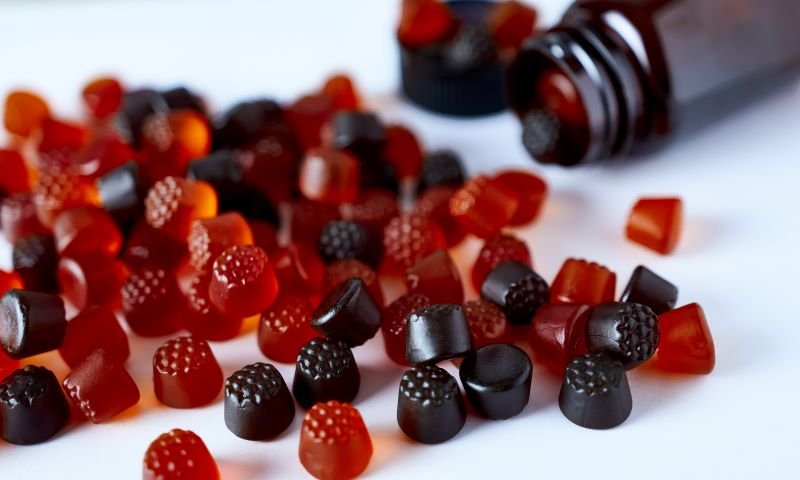
Gummies used to live in the kids’ aisle. Now they’re in the sleep aisle, the beauty aisle, the gym bag, the prenatal shelf, basically everywhere. The reason is simple: people actually take them. A capsule that’s hard to swallow ends up forgotten in a drawer. A gummy gets eaten, because it tastes like candy instead of medicine. That one behavioral difference is quietly reshaping the supplement industry.
For startups, this shift matters. You don’t need your own factory or a food science degree to launch a gummy brand, you need a clear plan and the right manufacturing partner. Here’s how that process actually works, step by step.
Why Gummies Work So Well for New Brands?
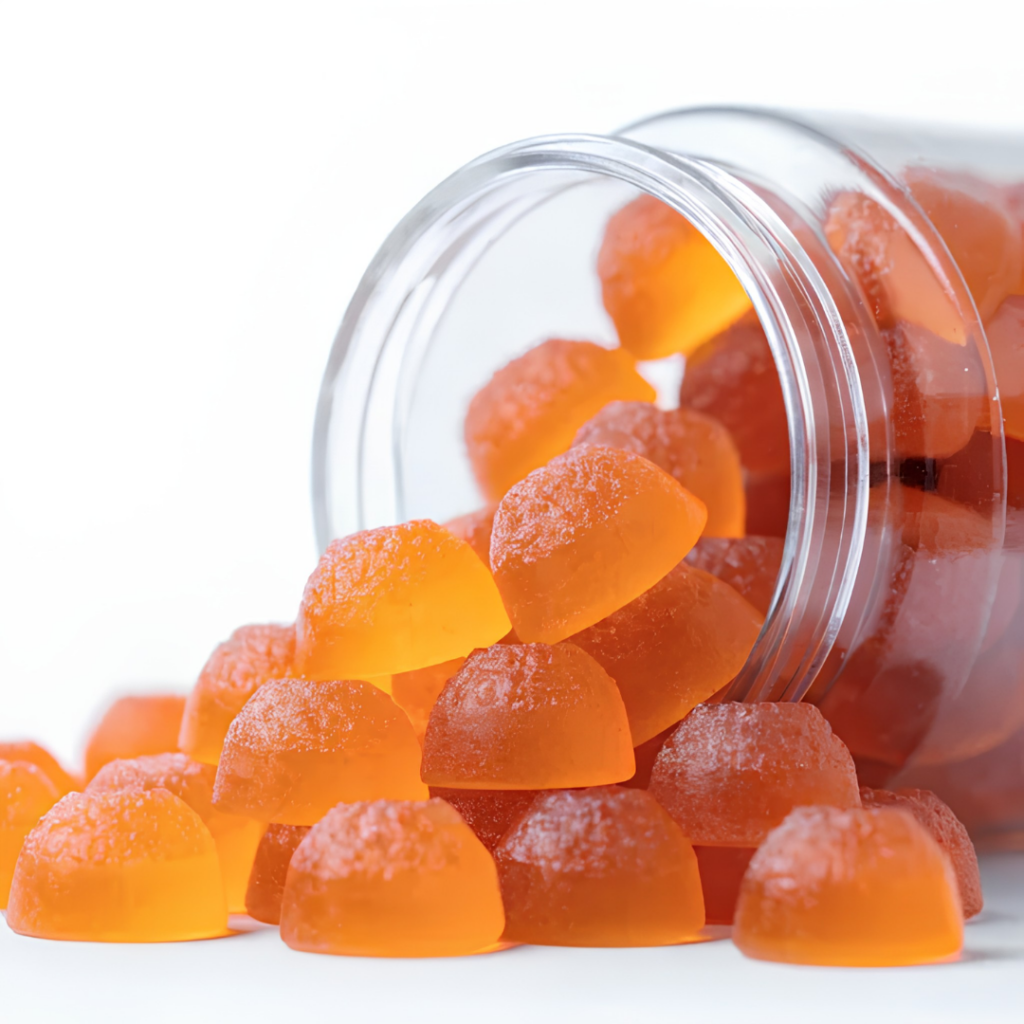
A lot of health supplement manufacturing growth right now is coming from this one format, and it’s not just about taste. Compliance is the real driver, the boring word that decides whether a customer finishes the bottle or lets it sit half-used. Gummies remove that friction, which means better repeat purchases and better retention over time.
They also stretch across categories: immunity, sleep, beauty, prenatal, kids’ health, digestion, sports recovery. That flexibility means you’re not boxed into one lane on day one. And here’s the part most founders miss, gummies are genuinely harder to manufacture well than capsules. Texture, flavor stability, and dosing accuracy are all trickier. That difficulty is actually your advantage, because it keeps the lazier competitors out.
Step 1: Nail Down Your Concept First
Before reaching out to anyone, have rough answers ready. What’s the core benefit, sleep, energy, gut health, skin? Who’s the customer, and what are they already buying? What price point supports your ingredient list? If you already have a formula, bring it; a serious private label gummy manufacturer will check it for stability and dosing feasibility rather than just running with it blindly. No formula yet? That’s fine too, most manufacturers offer stock formulas or formulation support.
Step 2: Private Label or Custom Formulation?
Private label means starting from an existing stock formula and customizing packaging, branding, and sometimes flavor. It’s faster and cheaper, and a smart way to test demand. Custom formulation means building your own blend from scratch, slower and pricier, but genuinely differentiated. Many startups do both in sequence: launch private label to validate the market, then move to custom once they know their customer better.
Step 3: Vet Your Manufacturing Partner
This is where founders either save themselves years of headaches or set up a painful lesson. Confirm the facility is FDA-registered and cGMP-compliant, don’t take it on faith, ask for documentation. Make sure they actually understand gummies specifically, not just supplements broadly. A gummy vitamin manufacturer that treats texture, dosing uniformity, and flavor consistency as an afterthought will hand you a product that changes batch to batch, and that inconsistency quietly kills customer trust.
Also ask about MOQs and timelines upfront. Gummy MOQs commonly start around 50,000 to 100,000 units depending on complexity, and production typically runs 4 to 8 weeks from formulation lock to finished product. Anyone promising a two-week turnaround on a brand-new formula is cutting corners somewhere.
Step 4: Lock In Formulation and Dosing
This stage covers your serving size, target benefit, and which actives are actually feasible inside a gummy matrix, not every ingredient behaves well in sugar or pectin, and a good manufacturer will say so upfront instead of overpromising. You’ll also choose between gelatin-based and vegan, pectin-based gummies here, which affects both shelf life and who you can market to.
Step 5: Get Flavor and Texture Right
Customers will forgive a plain logo. They won’t forgive a chalky taste or a gritty chew. Flavor and texture aren’t cosmetic, they’re the product, as far as the buyer is concerned. Expect several rounds of iteration on sweetness, tartness, and mouthfeel before it feels genuinely premium. This step often takes longer than founders expect, and it’s worth the patience, it’s the single biggest driver of repeat purchases in this category.
Step 6: Sort Out Packaging and Compliance
Bottles read as clinical and trustworthy, which suits immunity or prenatal products. Pouches feel more modern, which tends to fit beauty or energy brands. This is also where you lock in label design, child-resistant packaging if required, and compliance language like supplement facts panels and allergen disclosures. Catching these issues now avoids expensive reprints later.
Step 7: Run a Pilot Batch
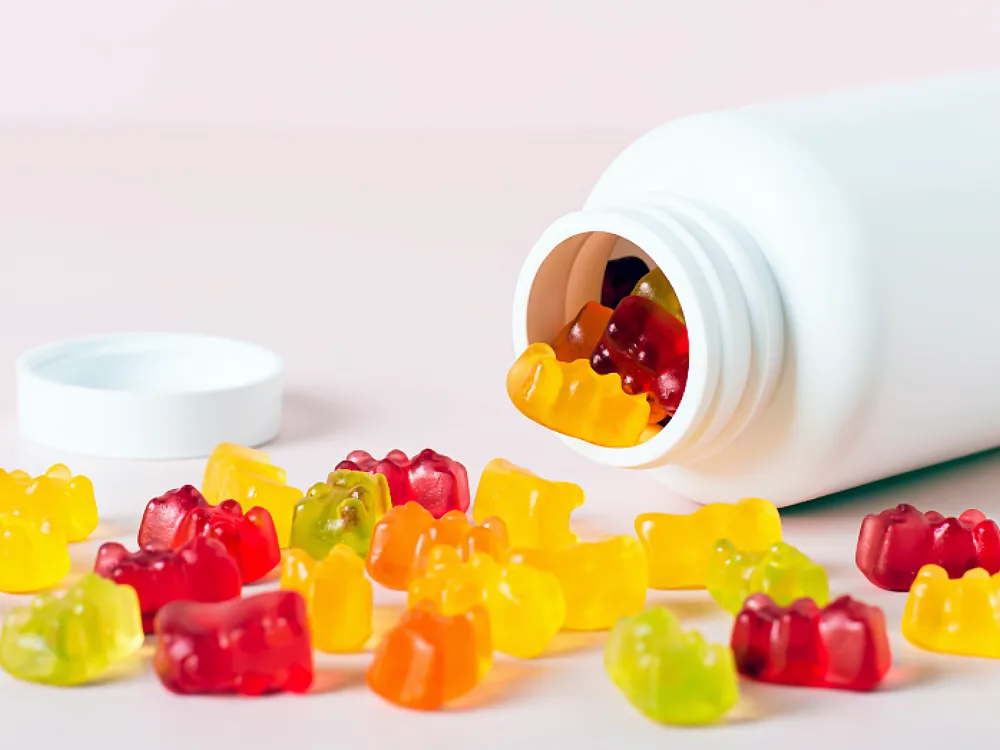
If your manufacturer offers a small pilot run, take it. It’s your chance to catch texture problems, off flavors, or labeling errors while the cost of fixing them is still small. Founders who skip straight to a 100,000-unit run are usually the ones stuck with inventory that doesn’t quite work.
Step 8: Scale Production and Fulfillment
Once the pilot checks out, move into full production and think through fulfillment, warehousing, pick-and-pack, and how orders will actually reach customers. The brands that scale fastest work with partners who can grow batch sizes without letting quality drift, because nothing kills a young brand faster than a customer noticing batch five doesn’t taste like batch one.
Mistakes to Avoid
Underestimating timelines is the biggest one, rushing to market before flavor and stability testing are done almost always backfires. Choosing a manufacturer on price alone is another; the cheapest quote usually comes with the loosest quality control, and you’ll pay for it later in returns. And skipping the pilot batch rarely actually saves time.
Final Thoughts
Launching a gummy brand isn’t complicated in concept, but it rewards founders who take it seriously. Get your concept clear, pick the right partner, don’t rush flavor and texture, and always pilot before scaling. Do those four things, and you’re already ahead of most brands entering this space.
Working with an established private label gummy manufacturer like The Pure Nutra Labs that understands both the science and the compliance side, an FDA-registered, cGMP-compliant operation with real gummy-specific expertise across immunity, beauty, sleep, prenatal, and kids’ formats, takes most of the guesswork out. You bring the brand vision. The right partner brings the structure to get it on shelves.