

The label is the first thing a shopper usually looks at. Before checking the ingredients or reviews, shoppers tend to look at the front packaging. If it’s clear and well-designed, it gains you some trust.
Finding the right print takes more time than what most of the first time founders think. The material of the label, proofing – whether the label survives on your container – also matters as much as the pricing. Using a strong supplement doesn’t matter if you have a low-quality label that peels in humidity.
The Importance of Quality Packaging
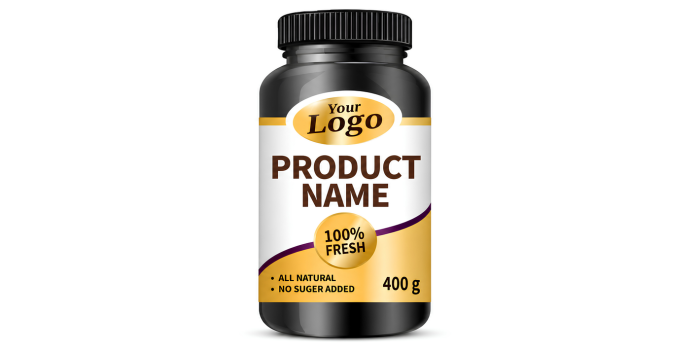
A customised professional label lets your brand stand out and shows that you take your product seriously. Most of the buyers tend to judge quality of the products buy its packaging even before reading an ingredient list.
The practical side counts just as much. Ingredients, serving instructions, and product details need to be readable at first glance, and the label has to suit the container, the storage conditions, and your sales channels, whether that’s retail shelves or your own online store.
A Reliable Printing Partner
Here are the four main routes that suit different kinds of brands:
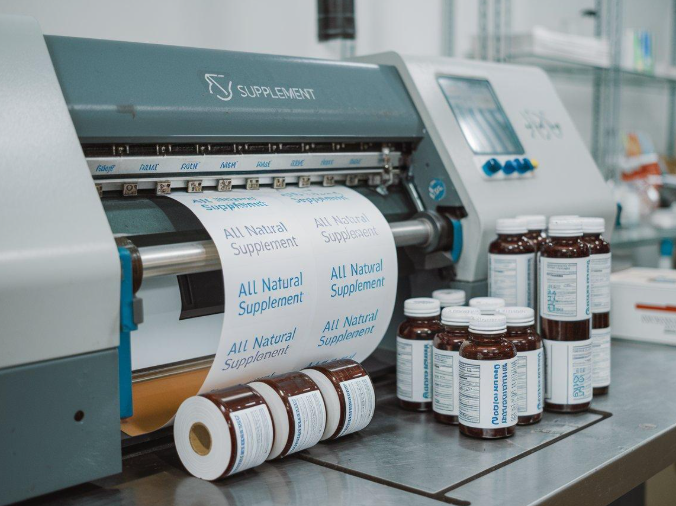
Starting with specialized packaging and label printing companies that offer a wide range of materials, formats, and finishes. If they’ve printed for supplement brands before, they already know the headaches of small bottles, curved surfaces, and text-heavy panels.
Online printers with various templates, different sizes, and digital proofs are much more convenient and quick for ordering. Make sure you check the quality of the material, find out how proofing works, and ask for a sample first.
Some suppliers sell labels along with bottles, jars, and closures. One source can cut down on fit problems, like a label wrinkling around a tight curve, and gives you a single contact when something goes wrong.
Your manufacturer may help line up label specifications, packaging compatibility, and production requirements. The Pure Nutra Labs is one supplement manufacturer you can look at when planning production. It is not necessary that every manufacturer prints labels in house, so make sure that you ask them first. If you want supplement label printing through them, ask if they supply labels, accept the labels from an outside printer and what all specifications a printer must follow.
Selecting Your Label Material
Always start by looking at your container and handling conditions, such as humidity, shipping, and storage, which dictate your material and adhesive needs.
Paper is budget-friendly and prints well, but synthetics like polypropylene or polyester offer superior resistance to water, oils, and friction. Always test your adhesive on the actual container since curved or textured surfaces can be challenging.
Ultimately, the label must stay legible and secure for the product’s entire shelf life, supported by thoughtful design choices like clear text sizes, strong contrast, and proper spacing.
Information To Be Included
What is to be printed on the label depends on the product, the market, and the rules that apply. For selling the products in the US, the FDA has published dietary supplement labeling guidance with the rules in 21 CFR Part 101.
Labels carry a statement of identity, the net quantity, and a Supplement Facts panel, along with ingredients, serving size, directions for use, and the name and place of business of the manufacturer or distributor. Depending on the product, required warnings, lot identification, and expiration or best-by dates may apply too.
A printer can help with layout and production, but meeting the requirements remains your brand’s responsibility. A printer looking over your artwork isn’t a compliance review, so consider consulting a regulatory professional, especially about claims and warnings.
Preparing Before Printing
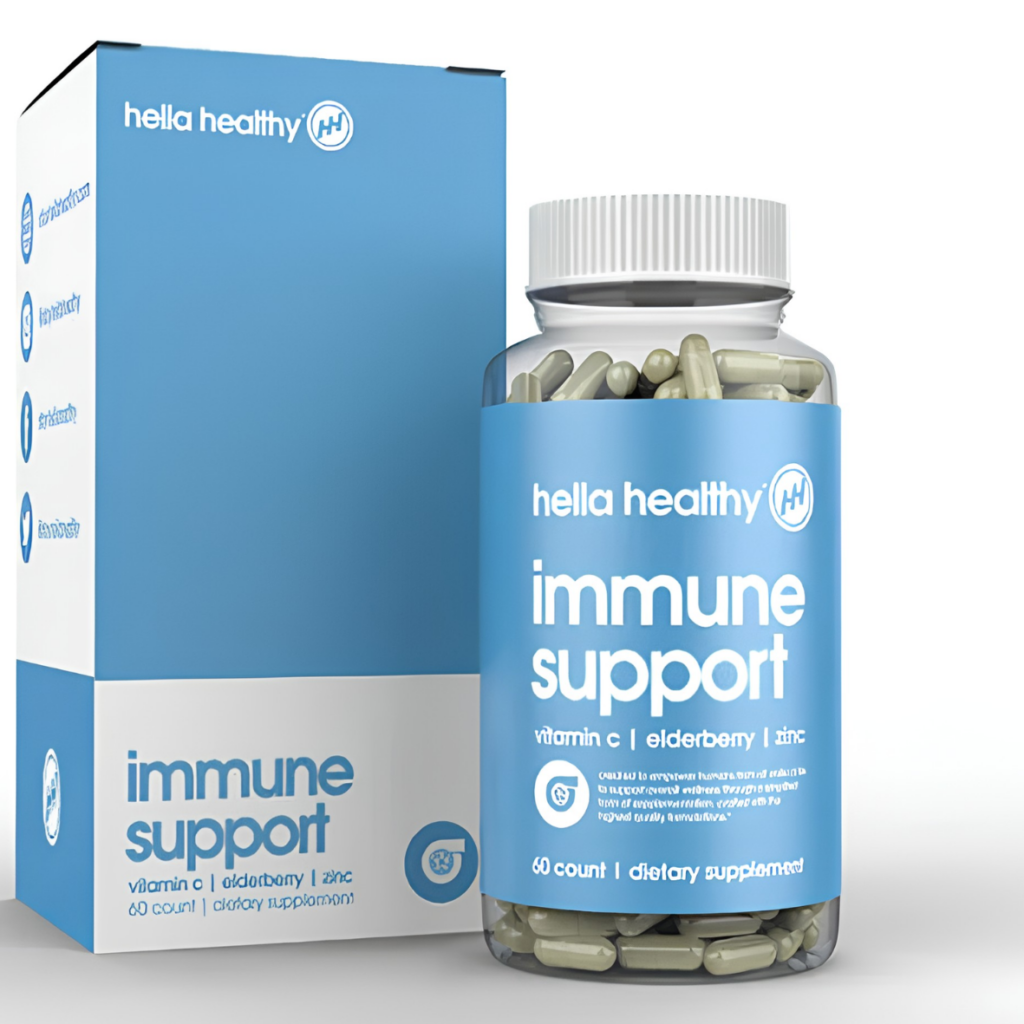
Printing problems usually start with bad files. Get the exact measurements of the container and the dieline of the printer; also don’t forget to leave space and margins for the text in case it gets trimmed while printing. Try using high-resolution pictures and the file format they ask.
Review the sample digital proof before approving. Check the spellings, serving information,barcodes of the ingredient names carefully as one typo can cost you a lot.
For checking material and colour, always ask for a physical sample to test on your container, as it is one of the surest ways to check if your supplement label printing matches what you saw on screen.
Generic Mistakes to Avoid
Most label problems come from rushing. Choosing a printer on price alone, or picking materials that don’t suit the container or storage conditions, can lead to peeling and fading. Printing before the product information is final, or skipping regulatory checks, can mean redoing the whole job, which is very time consuming.
Visual choices cause trouble too. Decorating the label or using a small font and low in contrast makes details hard to find, thus making shoppers lose interest. Effective supplement label design leaves breathing room. Never order a large quantity before checking a proof or sample.
The Correct Choice
Try to compare providers on quality, turnaround time, minimum order quantities, pricing, material options, and proofing. Get the specifics in writing.
If you’re still looking for a production partner, The Pure Nutra Labs can be explored as you plan production and packaging requirements. Label support differs between companies, so confirm what packaging assistance is available, then settle final label specifications with both your manufacturer and your printer.
Conclusion
A reliable printer, the right materials, and accurate information that meets the rules are important aspects when choosing a good label.
Before approving a print, always check your container, storage needs, and sales channels; also don’t forget to check the sample first. The label should be clear and durable enough for shoppers to trust your brand.